Decarbonization

The AI revolution isn't just digital. This article examines how geology underpins the convergence of AI, energy, carbon management, and the infrastructure powering frontier LLMs.

Winners of Alberta's Drilling Technology Challenge cover a range of technologies from robotics to enhance drilling rig safety to AI-enabled energy management, downhole sensing, well navigation, hybrid power systems, and geothermal energy.

Located along the North Sea, the Humber is expected to play a central role in the UK’s effort to achieve a net-zero emissions status by 2050.
-
 The electric vehicle industry is creating a “dot-com” boom around the energy transition, spinning off a multitude of startups as it creates its own supply chain of new technologies in battery manufacturing.
 -
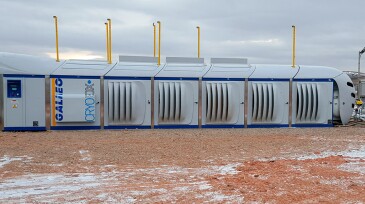
H&P pumps $33 million into LNG firm Galileo Technologies, supporting technology focused on decarbonization of the energy supply chain.
-
ExxonMobil has won an independent certification level for managing methane emissions in its New Mexico shale operations and is the first company to meet the standard for associated gas.
-
As the announcement of carbon sequestration projects becomes the norm, it’s time we look at what we know from a technical angle about how these projects need to be run based on the industry’s experience with enhanced oil recovery.
-
With aggressive net-zero goals hanging overhead, countries are looking to fast-track low-carbon energy projects, and many are including nuclear in the mix.
-
Seven years, and we’re on track to exceed the 1.5°C target established by the Paris Agreement in 2015 to limit global warming by 2030. Instead, we may be turning up the heat to 3.0°C. And in this case, doubling the wager does not hold potential for greater rewards. A recent report addressed the costs of technologies for emissions mitigation and their likelihood of mak…
-
The US oil and gas company said it signed a letter of intent with the US midstream operator to explore commercializing a CO2 transportation and storage network.
-
Companies want to build pipelines to capture and store carbon, but a new report warns that regulators aren’t prepared.
-
Gas flaring, which accounts for 30% of carbon emissions from fossil-fuel operations, dropped globally to a 10-year low in 2021, but questions remain whether 2022 will see a rebound as the industry reboots in a post-COVID-19 world with oil and gas supplies tightening.
-
Any effective system of greenhouse-gas accounting needs to measure each company’s supply-chain carbon impacts accurately, providing visibility and incentives for it to make more climate-friendly product-specification and purchasing decisions.