Decarbonization

TotalEnergies signed off for 30% operated stakes in the Lang Lebah and B14 gas fields offshore Sarawak on the sidelines of ADIPEC in Abu Dhabi, while also highlighting methane-reduction partnerships in Angola, India, and Southeast Asia.

This SPE technical section editorial synthesizes six technical themes shaping CO2 transport and storage and interprets them through a petroleum engineering capability lens.
The Pawnee Carbon Sequestration Project, which would use a repurposed well, is planned to capture and store up to 400,000 tonnes of carbon dioxide, with first injection targeted for early 2027.
-
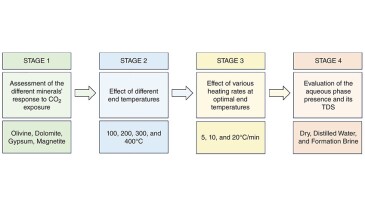
 This paper presents a novel methodology for assessing the rapid mineral carbonation of carbon dioxide through geochemical interactions with carbon-, magnesium-, and iron-rich minerals abundant in geological formations.
-
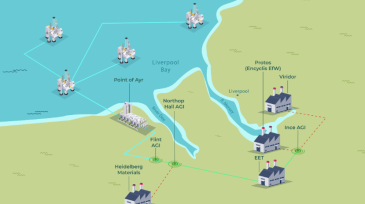
The initial phase of the carbon capture and storage project has a capacity of 1.5 million tonnes per year, with a second phase—due online in 2028—expected to bring the storage capacity to 5 million tonnes per year.
-
BlackRock’s Global Infrastructure Partners moves to buy nearly half of the stake in Eni's CCUS subsidiary.
-
From 26 to 27 August, industry executives, policymakers, financiers, researchers, and technologists will gather in Malaysia to explore the full potential of CCUS.
-
The author writes that Brazil can benefit by mirroring what proved decisive for CCS deployment in the US through a sovereign fiscal regime anchored by monetizing verified storage.
-
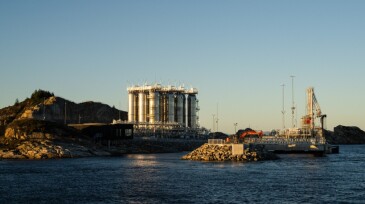
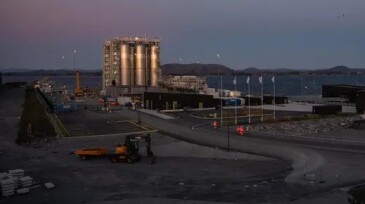
The collaboration will see TGS’ software platform implemented throughout the carbon value chain at the Northern Lights project.
-
With Brazil enacting South America’s first carbon capture and storage (CCS) law, this article examines the technical and regulatory architecture required to scale CCS deployment and provides exclusive insight into Brazil’s accelerating CCS landscape.
-
A new paper from researchers at Heriot-Watt University outlines key advances in chemistry that are driving the push in carbon capture technology.
-
The companies have signed an agreement to deliver carbon captured using Shell’s Cansolv system.
-
The North Sea project will transport and permanently store up to an initial 4 million metric tons of carbon dioxide per year, with startup expected in 2028.