Decarbonization
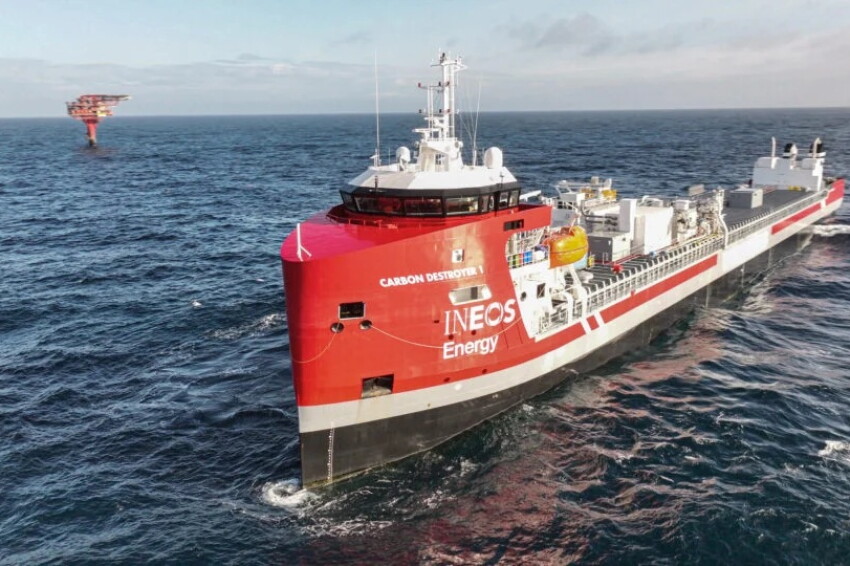
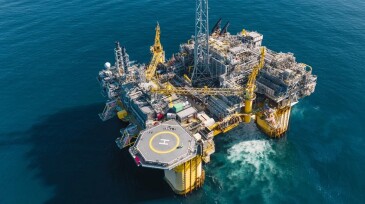
Plans call for the Greensand project to store 400,000 tonnes of carbon dioxide annually, with the potential to store up to 8 million tonnes annually at full capacity.
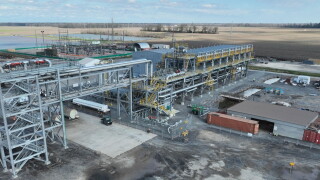
In line with its recently released Global Outlook, the major has begun storing carbon dioxide from Nucor’s iron facility in Convent, Louisiana.
Natural Resources Canada has awarded $4 million to Next Hydrogen and CERT Systems to advance clean hydrogen production and low-carbon sustainable aviation fuel technologies in the Greater Toronto Area.
-
 DNV’s Energy Transition Outlook 2024 projects continued growth in solar; slower growth in wind; and declines in coal, oil, and gas, while hydrogen and carbon capture projects are struggling.
 -
Occidental’s 1PointFive will receive up to $500 million from the Office of Clean Energy Demonstrations for the carbon-capture facility in south Texas.
-
The Ravenna CCS project will capture, transport, and store carbon-dioxide emissions from Eni’s natural gas treatment plant in Casalborsetti, Italy, estimated to be approximately 25,000 tonnes per year.
-
This update highlights efforts to electrify oil and gas assets and deliver clean energy to remote, underserved communities. But the big question remains: Can we really achieve net zero emissions by 2050?
-
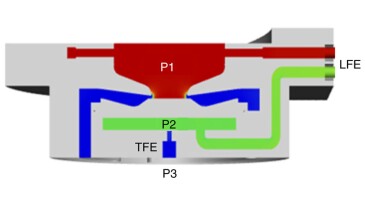
This paper describes installation of autonomous inflow control valves in the Bretaña Norte field in Peru, enabling effective water control even though the trial well was placed in the flank, close to the oil/water contact.
-
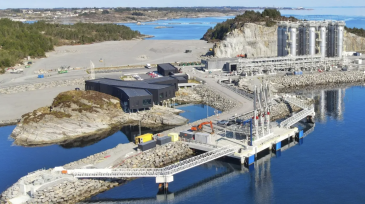
The facility for open-source carbon capture, transport, and storage has been completed.
-
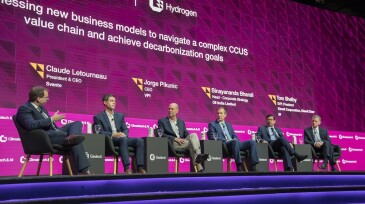
Collaboration and technology will help the industry meet its toughest challenges, experts said during the opening session at ATCE.
-
Stable policies and economics that encourage development are critical for scaling carbon capture.
-
Chevron CEO Mike Wirth urges more optimistic and balanced conversations regarding the energy transition.
-
A recent report from the North Sea Transition Authority says the industry has delivered a 4% decrease in emissions in 2023, a fourth consecutive year of reductions, but warns operators not to be complacent.