Decarbonization

This paper presents a flexible, highly cost- and energy-efficient method of gas separation and CO2 capture from many different gas mixtures with a large range of CO2 concentrations.

This study explores the carbon-capture and mineralization potential of ultramafic rock powders when exposed to flue gases generated from combustion of crude oil and mesquite-derived charcoal.

This paper presents an approach for safe, efficient, and cost-effective legacy well reabandonment.
-
 SponsoredPolymer flooding increases the RF up to 20% at $3 to $6 per extra bbl of oil. It also contributes towards reducing CO2 emission by 3–6 times per bbl. It’s a proven technology with more than 300 projects worldwide. SNF offers modular plug and pump facilities connected to existing infrastructure.
 -
Through a combination of reducing operational emissions and offsetting projects, the shale-gas producer has set a new benchmark for its sector.
-
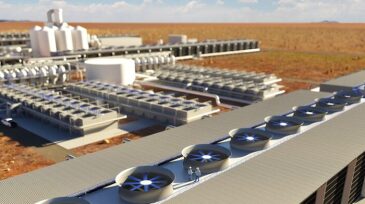
Oxy Low Carbon Ventures and Rusheen Capital Management have formed a development company to finance the world’s largest carbon-dioxide-capturing facility using Carbon Engineering’s direct air capture technology.
-
Zap Energy will use Chevron’s investment to develop its technology, a next-generation modular nuclear reactor with an aim toward cost-effective, flexible, and commercially scalable fusion.
-
The offshore drilling contractor’s latest effort to curb emissions relies on technology developed during the US space shuttle program and could become commercial by 2022.
-
Intertek’s program aims to provide validation of the carbon impact of producing 1 BOE across an entire production portfolio, in aggregate, or by field.
-
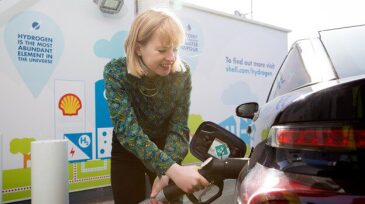
Hydrogen from fossil fuels is not only an easier way to pivot to clean energy than going full-on renewables; it could also establish new businesses and generate tremendous revenue by leveraging the oil and gas industry’s existing knowledge and expertise.
-
This paper presents novel approaches to carbon abatement using petroleum that have a strong chance to succeed in fulfilling technological and economic goals.
-
The complete paper describes an advanced Rankine cycle process-based system that converts waste heat into usable electrical power to improve the efficiency of gas-compression stations on gas-production platforms and pipelines.
-
Despite the global downturn, the long-term transition to net zero presents a major opportunity to create new multibillion industries based around the North Sea. Cross-sector collaboration and major state/private sector intervention, together with strong leadership, will be key.