Decarbonization

This study explores the carbon-capture and mineralization potential of ultramafic rock powders when exposed to flue gases generated from combustion of crude oil and mesquite-derived charcoal.

This paper presents an approach for safe, efficient, and cost-effective legacy well reabandonment.

This paper presents a flexible, highly cost- and energy-efficient method of gas separation and CO₂ capture from many different gas mixtures with a large range of CO₂ concentrations.
-
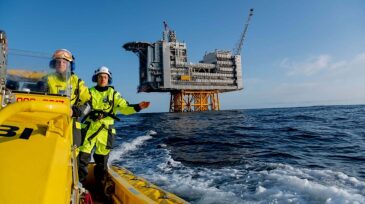
 North Sea operators BP, Shell, and Total have begun an effort to fuel their platforms using sustainable power sources through a connection with Norway’s onshore power grid, which is driven almost wholly by renewable energy.
 -
BP says it is firmly committed to achieving the ambitious target of net-zero greenhouse gas emissions over the next 30 years—even if that means producing less oil and gas.
-
In the US Energy Information Administration’s Annual Energy Outlook 2020 reference case, which assumes no new laws and regulations, US energy-related carbon dioxide emissions decrease through the early 2030s before increasing to 4.9 billion metric tons in 2050.
-
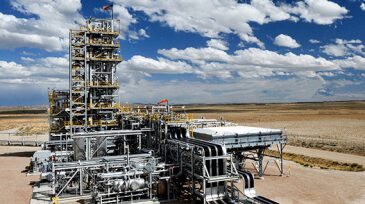
ExxonMobil is planning to build and operate a carbon capture facility in southwest Wyoming, according to a permit application filed with the state's environmental regulatory agency in January.
-
Carbon storage is perhaps the only viable option for reducing carbon to the levels that many governments have agreed are important, and EOR is the only proven technology that can be made ready in the time and at the scale required to accomplish this reduction worldwide.
-
The Swedish oil and gas producer is aiming to produce 200,000 B/D while offsetting the entirety of its carbon footprint.
-
The companies will focus on research and development to reduce CO2 emissions and promote the circular economy.
-
As the pressure to act on climate change builds, the industry should consider a range of options.
-
A new joint study will test the economic viability of taking CO2 from a cement plant and giving it to an oil company to pump underground.
-
Alberta carbon conversion challenge yields potential GHG reduction of millions of metric tons per year.