Decarbonization
The AI revolution isn't just digital. This article examines how geology underpins the convergence of AI, energy, carbon management, and the infrastructure powering frontier LLMs.

Winners of Alberta's Drilling Technology Challenge cover a range of technologies from robotics to enhance drilling rig safety to AI-enabled energy management, downhole sensing, well navigation, hybrid power systems, and geothermal energy.

Located along the North Sea, the Humber is expected to play a central role in the UK’s effort to achieve a net-zero emissions status by 2050.
-
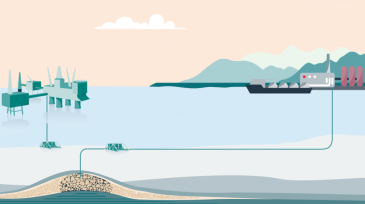
 The storage of CO2 under the seabed may add millions of tons per year to global carbon-capture totals. The finance and investment sectors are recognizing the value these projects may bring to portfolios aligned with achieving climate-change goals
 -
The first seminar looks at carbon capture, utilization, and storage as a way to achieve net-zero emissions. The second looks at the Methane Guiding Principles and its efforts to address methane throughout the natural gas supply chain.
-
The new tool offers global insights for tracking the progress in the transition to low-carbon energy systems.
-
To reach their targets for carbon neutrality, many oil and gas producers are investing in other energy industries. This US company will instead get there by investing more in its oil fields.
-
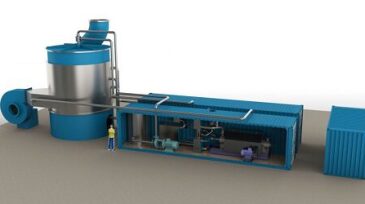
As part of the agreement, Baker Hughes will accelerate the development of Compact Carbon Capture’s technology, aiming for global commercial deployment.
-
To go big on capturing CO2, the oilfield service company is acquiring a company that specializes in going small.
-
As it reaches for net-zero emissions, the company said its operations offshore Norway remain central to its long-term strategy.
-
The challenge is immense, but the promise is, too. If the oil and gas business can scale up CO2 EOR, then it can play a very big role in mitigating climate change while offering carbon-negative fuels.
-
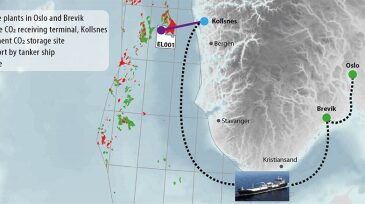
The memorandum of understanding with Microsoft follows a conditional investment decision in May that Equinor, Shell, and Total made for the carbon capture and storage project.
-
The memorandum of understanding with Microsoft follows a conditional investment decision made in May by Equinor, Shell, and Total. Pending Norwegian government approval, the final investment decision for the project is expected in late 2020 with startup expected in 2024.