Decarbonization

This paper presents a flexible, highly cost- and energy-efficient method of gas separation and CO₂ capture from many different gas mixtures with a large range of CO₂ concentrations.

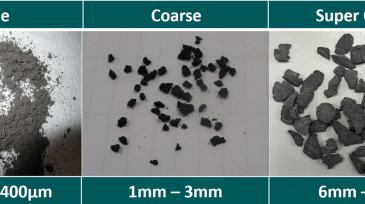
This study explores the carbon-capture and mineralization potential of ultramafic rock powders when exposed to flue gases generated from combustion of crude oil and mesquite-derived charcoal.

This paper presents an approach for safe, efficient, and cost-effective legacy well reabandonment.
-
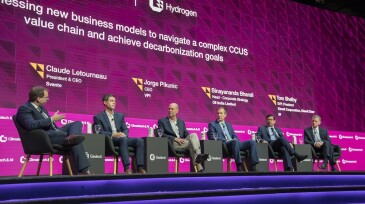
 Stable policies and economics that encourage development are critical for scaling carbon capture.
 -
Chevron CEO Mike Wirth urges more optimistic and balanced conversations regarding the energy transition.
-
A recent report from the North Sea Transition Authority says the industry has delivered a 4% decrease in emissions in 2023, a fourth consecutive year of reductions, but warns operators not to be complacent.
-
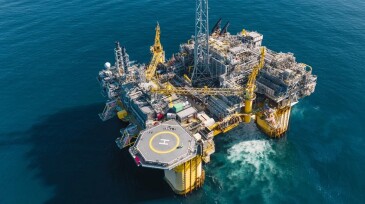
By repurposing Italy’s depleted Porto Corsini Mare Ovest offshore gas field for CO2 storage, Eni and Italian grid operator Snam have positioned the Ravenna CCS project to play a major role in the EU’s development of more than 50 mpta of CO2 storage capacity by 2030.
-
SponsoredDiscover how TAQA’s sustainable products are transforming cementing operations, reducing environmental impact, and enhancing performance.
-
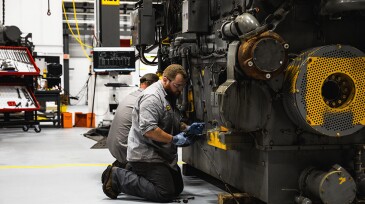
To choose the right technologies for a gas-compression package, it’s critical for operators to have a clear understanding of their business and greenhouse‑gas emissions-related goals. Operators also need clarity concerning the impact of evolving requirements on total cost of ownership as well as potential financial ramifications.
-
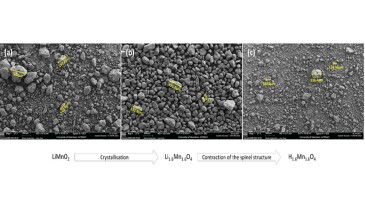
This paper presents an evaluation of the lithium potential of assets in the North Sea.
-
The goal of the project described in this paper was to test the added value of shear-wave velocity interpreted from underwater multichannel analysis surface waves, particularly as a propagation tool of geotechnical information.
-
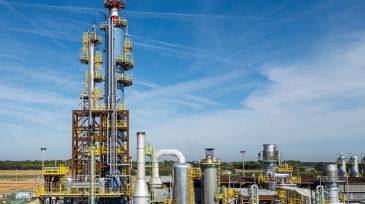
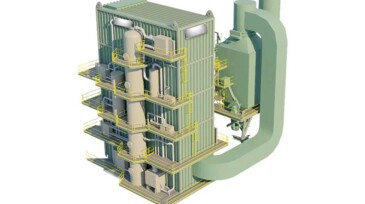
This paper describes the design of compact carbon-capture modules, including post-combustion CO₂ removal process technology, for applications on offshore facilities.
-
Carbon storage specialist Storegga joins Petronas and ADNOC in a joint study to strategize the build-out of Malaysia’s offshore as a regional CCS hub.