Decarbonization

This paper presents a flexible, highly cost- and energy-efficient method of gas separation and CO₂ capture from many different gas mixtures with a large range of CO₂ concentrations.

This study explores the carbon-capture and mineralization potential of ultramafic rock powders when exposed to flue gases generated from combustion of crude oil and mesquite-derived charcoal.

This paper presents an approach for safe, efficient, and cost-effective legacy well reabandonment.
-
 H2Teesside is expected to be one of the UK’s largest low-carbon hydrogen production facilities, targeting 1.2 GW of low-carbon hydrogen production, which equates to more than 10% of the UK’s 2030 hydrogen production target.
 -
Proving that green hydrogen can efficiently power steel pipe manufacturing could advance the EU’s plan to decarbonize its heavy industry by importing the sustainable fuel from North Africa after 2030.
-
Cost concerns temper public appetite for clean energy while companies struggle to find investors for projects.
-
Transition requires action, not perfect technology, but challenges remain around scalability, cost, and revenues.
-
This paper presents circular environmental initiatives at Abu Ali Island in the Eastern Province of Saudi Arabia that led to sustainable and systematic decarbonization, ecosystem, and biodiversity programs.
-
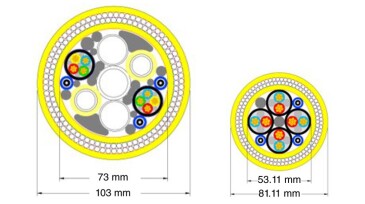
The authors examine the elements that contribute to a technically optimized and economically efficient subsea control system for offshore carbon capture and storage developments.
-
This paper describes the operator’s culture of circular decommissioning, with the main goal to improve environmental performance by implementing circular-economy principles during the engineering and execution of decommissioning projects.
-
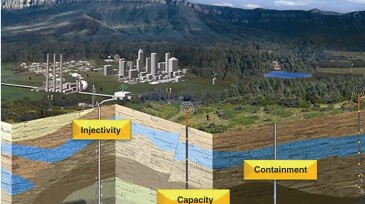
The Earth has huge capacity to store carbon dioxide emitted from energy production. This article discusses the technology of carbon capture, utilization, and storage (CCUS) and its challenges.
-
The SPE CO2 Storage Resources Committee has opened a period for public comments on an update to the current 2017 SRMS.
-
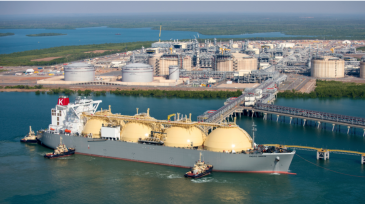
Inpex’s investments in wind, solar, and battery storage through 2030 will also support decarbonization at the Ichthys natural gas and LNG project in northern Australia.