Decarbonization

This paper presents an approach for safe, efficient, and cost-effective legacy well reabandonment.

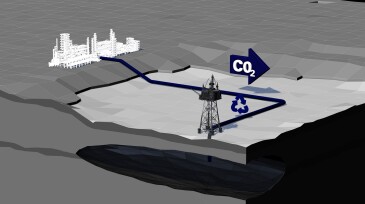
This paper presents a flexible, highly cost- and energy-efficient method of gas separation and CO₂ capture from many different gas mixtures with a large range of CO₂ concentrations.

This study explores the carbon-capture and mineralization potential of ultramafic rock powders when exposed to flue gases generated from combustion of crude oil and mesquite-derived charcoal.
-
 The deal with Manulife gives Oxy unit 1PointFive access to 27,000 acres of subsurface pore space for carbon sequestration.
 -
The new areas are expected to make a significant contribution to the government’s target of capturing and storing 20 million–30 million tonnes of carbon dioxide per year.
-
The second plenary session at URTeC this week highlighted the stark reality of both knowns and unknowns oil companies must face in the race to a carbon-free future.
-
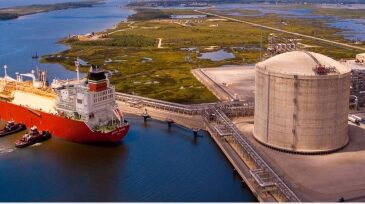
Sempra lands partners for a CCS deal in Louisiana, while Shell eyes newbuild ships for CCS transport. An offshore alliance targets floating wind technology, and global hydrogen projects gain momentum in the UAE, Africa, and Brazil.
-
TotalEnergies has purchased a 25% stake in India’s Adani New Industries Ltd., creating a partnership to produce and commercialize green hydrogen globally.
-
NASA, the European Space Agency, and the British government are reconsidering an old idea to beam space-based solar energy to Earth in light of new technologies that might lead to commercial feasibility.
-
Chevron, Talos, and Carbonvert have finished the documentation and closed the joint venture for the carbon capture and storage project on the Gulf of Mexico coast.
-
What You Should Know About Offshore and Sour Gas CCS: High Cost, Leak Mitigation, and TransportationSoutheast Asia promises to be a compelling case study in how oil and gas producers will soon face the realities of scaling up carbon capture and storage projects.
-
By turning its back on Russian oil and gas, will Europe speed up or slow down its energy transition, and what will be the impact on global climate change?
-
Hydrogen fuels, storage, and production projects are on the go, while CCS and wind projects receive significant international boosts from the likes of INPEX, Chevron, Equinor, and Eni and Amazon splashes cash for more than three dozen renewables projects.