Decarbonization

This paper presents a flexible, highly cost- and energy-efficient method of gas separation and CO₂ capture from many different gas mixtures with a large range of CO₂ concentrations.

This study explores the carbon-capture and mineralization potential of ultramafic rock powders when exposed to flue gases generated from combustion of crude oil and mesquite-derived charcoal.

This paper presents an approach for safe, efficient, and cost-effective legacy well reabandonment.
-
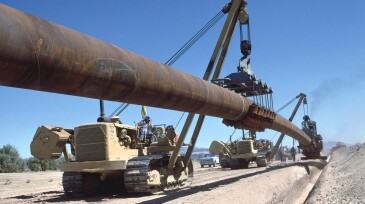
 Companies want to build pipelines to capture and store carbon, but a new report warns that regulators aren’t prepared.
 -
Gas flaring, which accounts for 30% of carbon emissions from fossil-fuel operations, dropped globally to a 10-year low in 2021, but questions remain whether 2022 will see a rebound as the industry reboots in a post-COVID-19 world with oil and gas supplies tightening.
-
Any effective system of greenhouse-gas accounting needs to measure each company’s supply-chain carbon impacts accurately, providing visibility and incentives for it to make more climate-friendly product-specification and purchasing decisions.
-
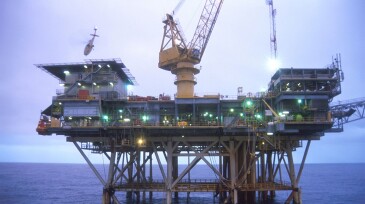
ExxonMobil has initiated front-end engineering design studies to determine the feasibility of developing a South East Australia carbon capture and storage hub in the Bass Strait, where some of Australia’s oldest offshore oil and gas fields are to be decommissioned.
-
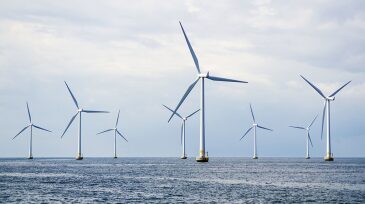
Supermajors continue to align their goals with a net-zero future while strides are made across the globe to add CCS, solar, and wind projects to help achieve ambitious green energy goals.
-
Oxy aims to combine crude oil with environmental attributes generated from the sequestration of atmospheric CO2 captured with its planned direct-air-capture plant and sequestered in its enhanced-oil-recovery reservoirs in the Permian Basin.
-
Research conducted by Rystad Energy indicates that spending on carbon capture and storage will quadruple in the next 3 years.
-
New lease agreements have secured more than 700 million metric tons of potential CO2 sequestration capacity.
-
Storing captured carbon requires a receptacle, and existing reservoirs are just the thing. But which ones?
-
Skyrocketing demand for the commodity has created a lithium deficit that could slow the pace of the energy transition. Industry is scrambling to find new sources by opening new mines or devising new technologies to extract lithium from brines, including brines found in produced water from oil and gas operations.