Decarbonization

This paper presents a flexible, highly cost- and energy-efficient method of gas separation and CO₂ capture from many different gas mixtures with a large range of CO₂ concentrations.

This study explores the carbon-capture and mineralization potential of ultramafic rock powders when exposed to flue gases generated from combustion of crude oil and mesquite-derived charcoal.

This paper presents an approach for safe, efficient, and cost-effective legacy well reabandonment.
-
 The challenge is immense, but the promise is, too. If the oil and gas business can scale up CO2 EOR, then it can play a very big role in mitigating climate change while offering carbon-negative fuels.
 -
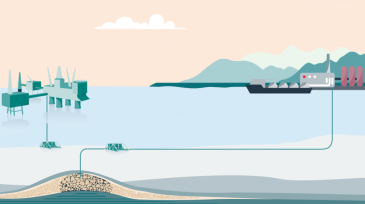
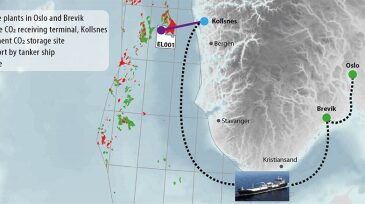
The memorandum of understanding with Microsoft follows a conditional investment decision in May that Equinor, Shell, and Total made for the carbon capture and storage project.
-
The memorandum of understanding with Microsoft follows a conditional investment decision made in May by Equinor, Shell, and Total. Pending Norwegian government approval, the final investment decision for the project is expected in late 2020 with startup expected in 2024.
-
Eni plans to reuse depleted hydrocarbon reservoirs in Liverpool Bay to permanently store CO2 captured in northwest England and North Wales.
-
The oil major said it will now work with Global Thermostat on technology that would remove carbon dioxide directly from the air.
-
Phase 1 involved a feasibility study for a facility capable of capturing 750,000 tonnes of carbon dioxide annually. The next phase will explore building a facility capable of more than twice that amount.
-
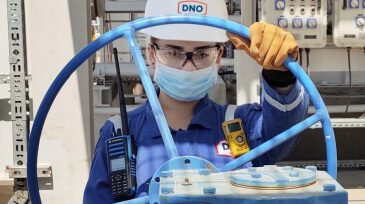
DNO announced that it has brought its gas capture and injection program online in the Kurdistan region of Iraq. Already reaching the milestone of 1 Bcf of gas injected, the project is expected to reduce annual emissions from the company’s production by more than 300,000 tonnes of CO2 equivalent.
-
The tech giant and supermajor have been working on cloud solutions already, but in a new agreement, they will combine their talents to create new technologies for oil and gas as well as energy consumers.
-
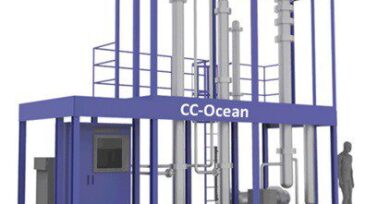
The project aims to identify risks and conduct operability and safety evaluations for the world’s first attempt at capturing carbon dioxide at sea.
-
Tellurian CEO Meg Gentle outlined how the US LNG market should address expected tight market conditions through 2025 while managing a transition to a carbon neutral environment.