Decarbonization

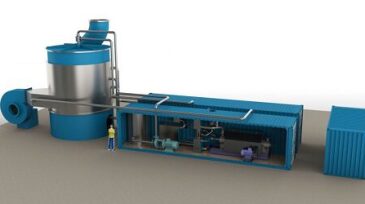
This paper presents a flexible, highly cost- and energy-efficient method of gas separation and CO₂ capture from many different gas mixtures with a large range of CO₂ concentrations.

This study explores the carbon-capture and mineralization potential of ultramafic rock powders when exposed to flue gases generated from combustion of crude oil and mesquite-derived charcoal.

This paper presents an approach for safe, efficient, and cost-effective legacy well reabandonment.
-
 Russia flares more associated gas from oil production than any other country on the planet. But Russian major Gazprom Neft may have found an ecofriendly alternative: turning flare gas in West Siberia into electricity to fuel the mining of cryptocurrency.
 -
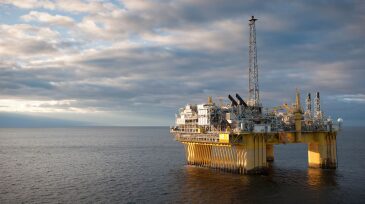
The first phase of the project is set for completion in 2024. As a part of the project, Equinor, Shell, and Total will establish a new joint-venture enterprise. Equinor has awarded two EPC contracts.
-
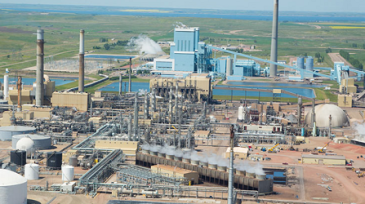
The Great Plains Synfuels Plant in North Dakota has now captured 40 million metric tons of carbon dioxide, a milestone in the synthetic natural gas production facilities’ 20-year effort to lower the impacts of energy production.
-
The storage of CO2 under the seabed may add millions of tons per year to global carbon-capture totals. The finance and investment sectors are recognizing the value these projects may bring to portfolios aligned with achieving climate-change goals
-
The first seminar looks at carbon capture, utilization, and storage as a way to achieve net-zero emissions. The second looks at the Methane Guiding Principles and its efforts to address methane throughout the natural gas supply chain.
-
The new tool offers global insights for tracking the progress in the transition to low-carbon energy systems.
-
To reach their targets for carbon neutrality, many oil and gas producers are investing in other energy industries. This US company will instead get there by investing more in its oil fields.
-
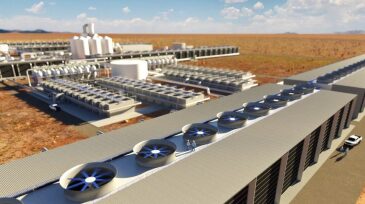
As part of the agreement, Baker Hughes will accelerate the development of Compact Carbon Capture’s technology, aiming for global commercial deployment.
-
To go big on capturing CO2, the oilfield service company is acquiring a company that specializes in going small.
-
As it reaches for net-zero emissions, the company said its operations offshore Norway remain central to its long-term strategy.