

Decommissioning

This paper uses the structural-integrity-management framework to evaluate the current structural integrity of chosen platforms, highlighting their potential and limitations for carbon capture, use, and storage purposes based on in-service assessments.

This paper reviews a proof-of-concept project in which surplus casing pipes were used in the fabrication of purposefully designed artificial reef structures for the enhancement of biodiversity and commercial fisheries.

ABL’s Australia unit will provide marine warranty survey services to support the first phase of Esso’s decommissioning campaign, which aims to recycle 95% of the 60,000 tons of offshore structures targeted for removal.
-
 The multiyear, $20 million-plus contract is for a well abandonment campaign in the Balmoral area in the UK central North Sea.
 -
Federal infrastructure law gives states financial incentive to remediate orphan wells.
-
Instead of insights, traditional economic yardsticks in mature fields can create surprises. Buyers, investors, and lenders need new yardsticks—besides those based on present value—in order to make profitable decisions in mature properties.
-
The paper highlights the importance of adopting good practices when planning for decommissioning throughout the life cycle of a petroleum project.
-
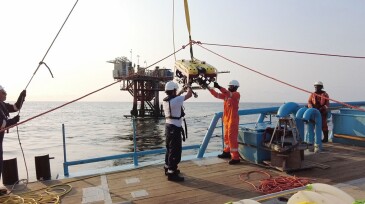
The Seaeye Falcon underwater robot is being used in the decommissioning and repurposing of an oil rig offshore Angola.
-
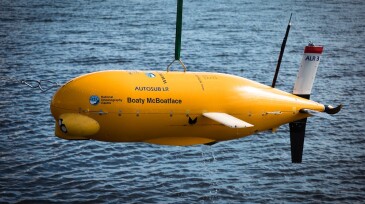
A recent mission that saw the robot submarine Autosub Long Range, better known as "Boaty McBoatface," explore and visually map end-of-life oil fields has been hailed as a success.
-
Britain’s North Sea Transition Authority is removing the requirement for offshore operators to submit Cessation of Production reports when preparing to abandon a field.
-
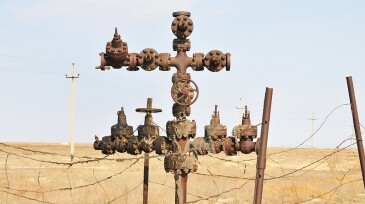
Bob Pearson shares his thoughts on the repurposing or abandonment and decommissioning of wells that are unlikely to be repurposed or pose an environmental risk with emissions into the atmosphere or aquifers.
-
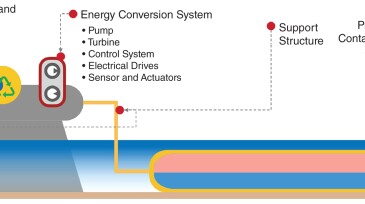
The authors of this paper describe a system that enables the storage of renewable power while allowing for the optimization of time and expenditure for decommissioning of existing infrastructure.
-
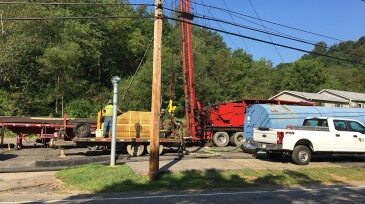
A study of a limited number of decommissioned oil and gas wells in England found no evidence of methane leaks, including four wells found to be leaking in an earlier study.



![Hero_England decomm study Map[2].jpg](https://assets.spe.org/dims4/default/1340410/2147483647/strip/true/crop/1024x572+0+111/resize/365x204!/quality/90/?url=http%3A%2F%2Fspe-brightspot.s3.us-east-2.amazonaws.com%2Ff1%2Fa7%2Faf022d414b7fa6e8095a8c91b91e%2Fhero-england-decomm-study-map2.jpg)