Decommissioning

The North Sea Transition Authority has published its first table identifying 13 operators that are behind schedule in decommissioning their inactive North Sea wells.

Estimates commissioned by the Australian government suggest that increasing efficiency will lower costs for decommissioning offshore Australia.

Marine contractor also approves the construction of a new heavy-transport ship.
-
 The partnership will fund research projects that aim to improve the understanding of the environmental impacts of decommissioning and provide guidance on best options from an environmental perspective.
 -
Developing an asset requires key investment decisions to be made early in the process, and as a result, some critical cost evaluations—such as abandonment—are often ballpark estimates. Adjusting the parameters for evaluating these costs can lead to more-accurate project valuations.
-
The complete paper describes the potential global scientific value of video and other data collected by ROVs.
-
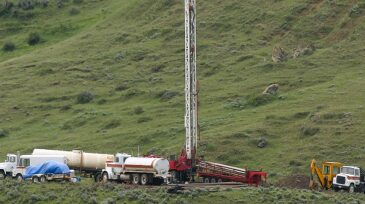
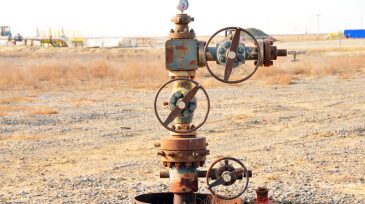
Across the West, thousands of oil and gas wells sit idle on federal lands, and many are orphaned with the companies that drilled them now defunct. These orphaned wells can pose environmental and safety hazards, but, as critics note, the Bureau of Land Management does not have a good way of tracking
-
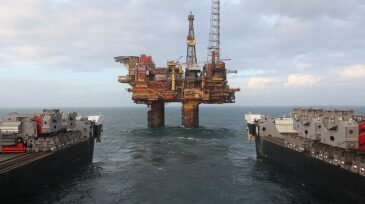
Repsol has awarded Allseas an EPRD contract for the removal, transfer, load-in to shore, and disposal of its Gyda platform in the Norwegian North Sea. The contract covers the 18,000-ton topsides and 11,200-ton jacket, along with an option for reinstallation on another field.
-
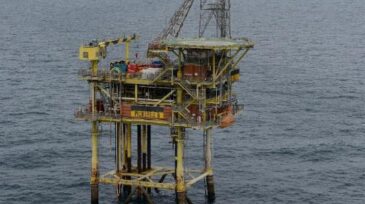
With production declining and a nearby terminal closed, UK authorities have given the nod for decommissioning to begin on the aging North Sea gas field. Perenco has been in operation since 1992, with Perenco taking over as operator from BP in 2003.
-
The decision comes a year after Neptune stopped production from the North Sea gas field, and 4 months after it submitted decommissioning plans to the UK authorities.
-
A new regulation includes provisions related to the timely abandonment of "dormant sites," a new site classification that refers to inactive wellsites operated by solvent companies.
-
Bravo is the second of four platforms to be decommissioned and removed from the Brent field, following Brent Delta in 2017. The field has produced approximately 3 billion boe since 1976.
-
After producing for 43 years, the Statfjord A platform will cease production in 2022.