Decommissioning
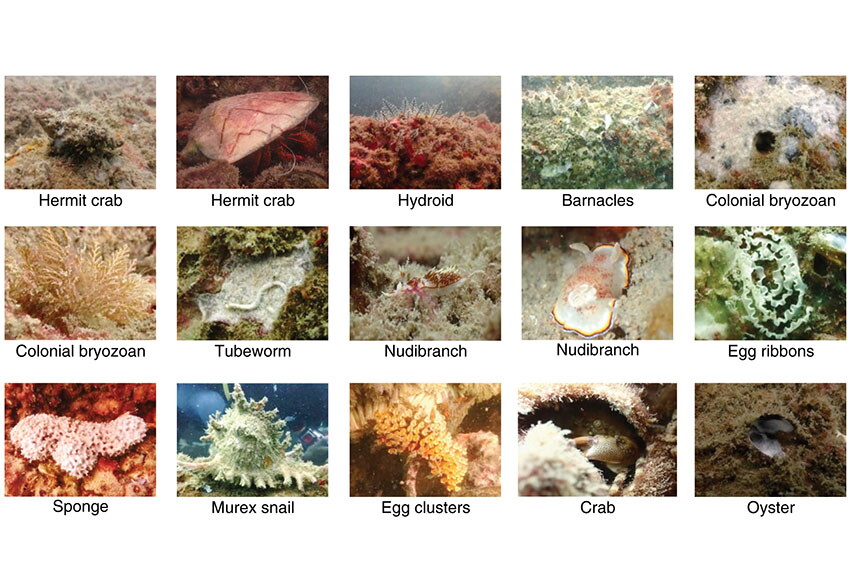
This paper reviews a proof-of-concept project in which surplus casing pipes were used in the fabrication of purposefully designed artificial reef structures for the enhancement of biodiversity and commercial fisheries.

ABL’s Australia unit will provide marine warranty survey services to support the first phase of Esso’s decommissioning campaign, which aims to recycle 95% of the 60,000 tons of offshore structures targeted for removal.

Despite a 2.8% drop in liquefied natural gas exports in 2025 because of lost market share in China, Australia anticipates a 2026 rebound as new North West Shelf capacity comes online. Meanwhile, East Coast operators brace for a tsunami of wells entering the decommissioning pipeline and potential energy shortfalls necessitating LNG imports.
-
 A new university-led consortium aims to bring together industry and academia to help operators efficiently orchestrate the final days of deepwater developments.
 -
Royal Dutch Shell CEO Ben van Beurden is to speak at the opening plenary session at SPE Offshore Europe 2017, which is being held in Aberdeen from 5–8 September.
-
Western Europe is the first area outside of the US Gulf of Mexico to see large-scale decommissioning. Well decommissioning is forecast to account for the majority of the expenditure.
-
CEO Bob Dudley, who calls BP’s UK North Sea business one of its “crown jewels”, will address hundreds of delegates at the opening plenary session at Europe’s foremost exploration and production technical conference and exhibition.
-
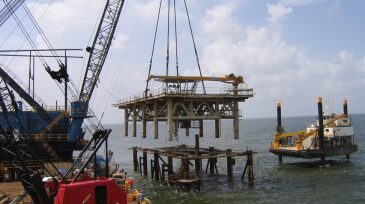
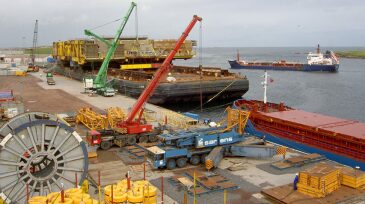
Heavy-lift vessels aim for opportunities in decommissioning in UK North Sea and Norway and offshore wind projects.
-
As the boom of the 1970s and 1980s makes way for the first tranche of major decommissioning projects, the market for abandonment and decommissioning has grown over the past 5 years. To deliver these projects in a safe and economic way, decommissioning needs to be accepted as a serious challenge.
-
Our industry is governed by rules that require cleanup and closure of oil and gas facilities after they cease to produce. Unlike a capital project, decommissioning is not something that you can choose to do or not to do.
-
This paper describes how an exploration-and-production company successfully developed and applied a qualitative risk-based abandonment-prioritization strategy for an inventory of inactive subsea wells.
-
DNV GL is introducing a new, risk-based recommended practice for performing and qualifying well abandonments titled DNVGL-RP-E103, Risk-Based Abandonment of Offshore Wells.
-
With regulatory pressure and the cost of decommissioning increasing, many operators are seeking new and better decommissioning methods that could get more work done safely and at a lower cost.