Drilling

This paper presents the application of degradable particulate-diverter technology to improve oil production by effectively diverting stimulation treatment fluids away from high-water-cut, high-permeability, high-temperature producing intervals or zones.

This paper presents the methodology for developing drill-in organophilic clay-free invert-emulsion-fluid technology that enhances well production through fundamental geological studies and fluid testing.

This paper presents the large-scale deployment and operational integration of an advanced, automated rheometer in the Ghawar gas field, one of the world’s most prolific and technically complex hydrocarbon developments.
-
 The complete paper describes a recent directional coiled-tubing drilling (DCTD) job completed for an independent operator in the Appalachian Basin.
-
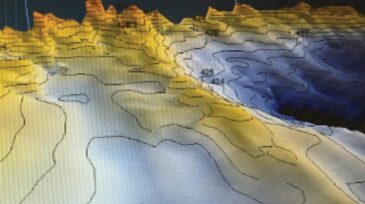
UK’s active 30th Licensing Round resulted in the award of 123 licenses to a diverse set of 61 companies—an outcome that UK government officials hailed as more proof that interest is picking up in the aging North Sea.
-
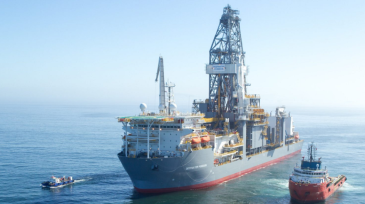
Shell made its sixth discovery from the Norphlet formation in the deepwater Gulf of Mexico, where the firm’s newly arrived Appomattox platform just 13 miles away presents a tieback opportunity.
-
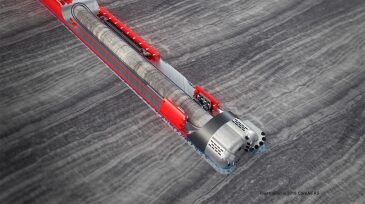
CoreAll's Intelligent Coring System uses a suite of sensors to analyze reservoir cores samples as they are being acquired, and a communication system that sends these data to the rig in real-time.
-
Coring is essential to offshore exploration programs—but sometimes cores are taken from the wrong formation or return to surface in poor condition. One firm thinks it can solve these costly issues with a first-of-a-kind coring device that uses logging instruments that add accuracy and integrity.
-
The Bureau of Safety and Environmental Enforcement is proposing to update regulations covering offshore oil and gas drilling operations.
-
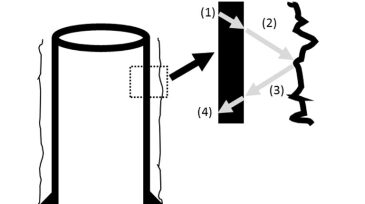
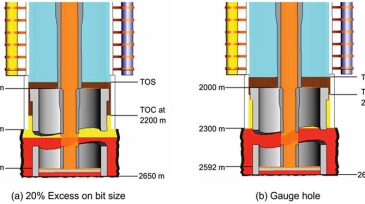
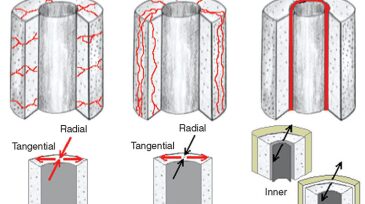
This paper reviews the technology trends in cement-job evaluation using logging tools and considers the main advantages and concerns associated with each technology.
-
As I read through the abstracts and papers that have been presented in the past year, I notice several key themes: verification of cement placement, development of new materials as a barrier, development of new additives to improve the cement barrier, and enhancement of existing techniques.
-
This paper reviews a successful managed-pressure-cementing (MPC) operation and presents findings and lessons learned.
-
Operators at a UAE field experienced several challenges while cementing production sections. A systematic approach was applied that used standard cementing best practices as a starting point.