Drilling

This paper aims to establish a set of best practices for generating particle-size-distribution data from core samples.

This paper discusses the successful execution of two openhole gravel-pack completions in two Gulf of Mexico fields with depleted reservoirs.

This edition highlights three offshore technology papers that address a common industry theme: how targeted engineering solutions can reduce uncertainty, shorten operations, and make technically constrained offshore well activities more executable.
-
 Falling oil prices are the acid test of drilling efficiency. SPE Technical Director Jeff Moss of ExxonMobil talks about ways to build in lasting savings as part of this special report.
 -
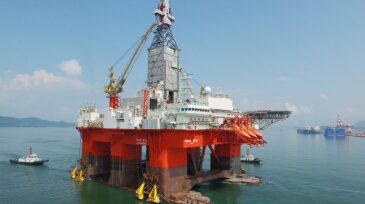
The latest example of the offshore sector's march toward automated wellbore construction will take shape later this year in the North Sea.
-
This paper describes how a technique known as applied-surface-backpressure managed-pressure drilling (ASBP-MPD) can alleviate the limitations of conventional deepwater well control.
-
A contest where teams of college students design and build an automated drilling rig able to deal with hazardous obstacles in a test block, showed how a small change can be engineered to matter.
-
Well RXY is located in Cairn’s Ravva offshore field in the Krishna-Godavari Basin in India. One goal for the field was significant crude production by means of a secondary reservoir section.
-
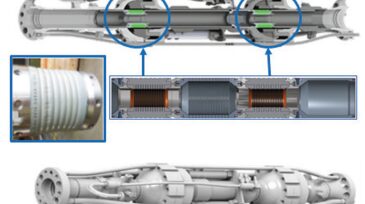
SponsoredNew extreme environment ultracapacitor technology will allow directional drillers to eliminate lithium from their entire supply chain. These advanced ultracapacitors can be coupled with downhole turbine generators to provide reliable downhole power without the need for lithium.
-
Since the 1980s, many technical works have focused on improving the ability to detect hydrocarbons inside the riser and safely remove them from the system. This trend gained extra momentum with the advent of systems such as riser-gas handlers and managed-pressure drilling.
-
The Pluma-1 discovery could turn the southeast portion of Stabroek Block off Guyana "into a major new development area," the company says.
-
Operators face a dilemma in balancing the need for mud weight (MW) to remain below the fracture gradient to avoid losses, while also providing sufficient density to block influxes into the well.
-
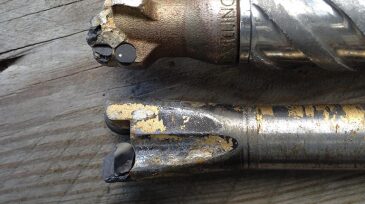
Recent research shows that, in addition to hardness, other rock properties, such as lithology types, heterogeneity, and abrasiveness, have equal importance in bit evaluations. Consequently, the discussion must move from rock-strength analysis to rock-drillability analysis.