Emission management

Growing energy transition investment highlights oil and gas technologies as key enablers.
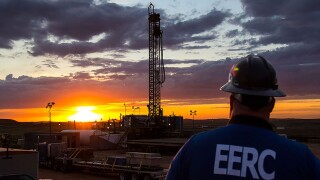
EERC CEO Charles Gorecki outlines how applied research in North Dakota is helping improve oil recovery, reduce emissions, and advance carbon storage.

A newly formed global coalition, Carbon Measures, aims to develop a ledger-based carbon accounting framework and champion market-based solutions to drive emissions reduction.
-
 The first seminar looks at carbon capture, utilization, and storage as a way to achieve net-zero emissions. The second looks at the Methane Guiding Principles and its efforts to address methane throughout the natural gas supply chain.
 -
Oil and gas producers in Europe commit to reporting emissions, but major US firms do not.
-
Canada’s methane emissions from the oil and gas sector in Alberta and Saskatchewan are almost twice as high as had been previously reported, according to a new study by federal government scientists.
-
The oilfield service company said it expects to set emissions-reduction targets by next year to meet the goals of the Paris Accord.
-
Using a European Space Agency satellite, data analytics firm Kayrros pinpointed global locations of methane emissions and recorded a 32% increase in the overall volume of methane emitted from large leaks compared with the first 8 months of 2019.
-
A state commission has approved a rule that will require companies to monitor emissions from oil and gas sites earlier and more frequently than is currently done as Colorado officials implement a law overhauling how the industry is regulated.
-
Natron Energy aims to scale up domestic manufacturing of sodium-ion batteries , and Bridger Photonics will target the operational efficiency for leak detection and emissions tracking.
-
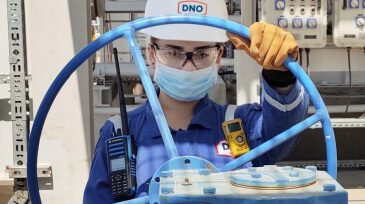
DNO announced that it has brought its gas capture and injection program online in the Kurdistan region of Iraq. Already reaching the milestone of 1 Bcf of gas injected, the project is expected to reduce annual emissions from the company’s production by more than 300,000 tonnes of CO2 equivalent.
-
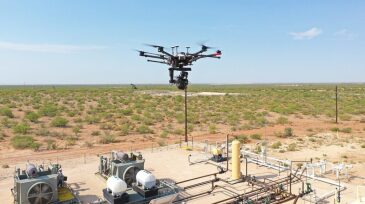
After 2 years of testing, Shell is going all in on using high-flying technology to catch methane leaks to reduce its overall emissions to less than 1%.
-
Williams Companies announced a near-term goal of a 56% absolute reduction from 2005 levels in greenhouse-gas emissions by 2030, aiming for net-zero carbon emissions by 2050. Why is this significant, and where can emissions be mitigated in the midstream natural-gas gathering and boosting segment?