Emission management

Growing energy transition investment highlights oil and gas technologies as key enablers.
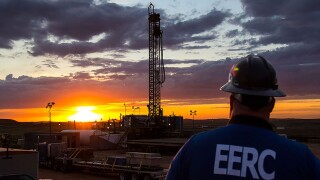
EERC CEO Charles Gorecki outlines how applied research in North Dakota is helping improve oil recovery, reduce emissions, and advance carbon storage.
A newly formed global coalition, Carbon Measures, aims to develop a ledger-based carbon accounting framework and champion market-based solutions to drive emissions reduction.
-
 BP announced that it will deploy continuous measurement of methane emissions in its future BP-operated oil and gas processing projects as part of its ambitious program to detect, measure, and reduce methane emissions.
 -
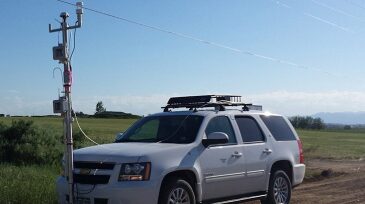
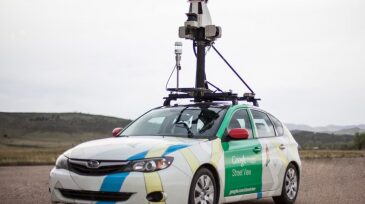
Mobile plume tracking, led by Colorado State University air pollution experts, is a key technology in the city of Broomfield’s ongoing Air Quality Testing Program. And it’s just one aspect of a 3-year, $1.7 million contract awarded by Broomfield last year.
-
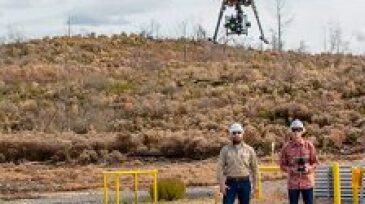
The pilot used sensor technology originally deployed by NASA for the Mars Curiosity Rover to collect methane emissions data live-streamed from a drone. BP said it plans to deploy the technology to all of its North Sea assets, including ETAP and Glen Lyon, in 2020.
-
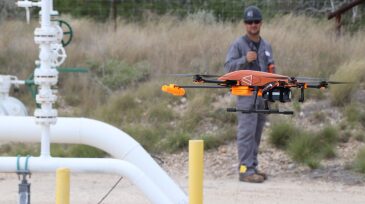
Equinor Technology Ventures and OGCI Climate Investments have agreed to back the tech developer, which integrates its SeekIR miniature gas sensors onto drones to detect, localize, and quantify carbon emissions.
-
New Mexico’s Lujan Grisham pushes an ambitious pro-environment agenda for an industry whose receipts dominate the state budget.
-
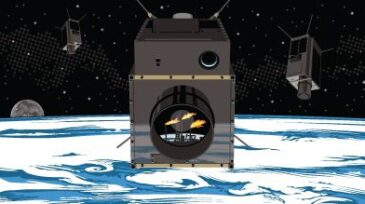
The 33-month project will compare emissions data collected by terrestrial sensors to GHGSat's combined satellite and aircraft measurements.
-
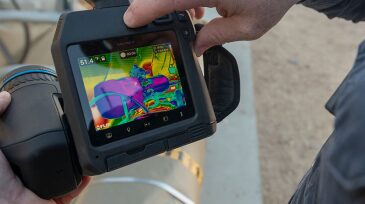
Thermal imaging helps operators maintain regulatory compliance on methane-emissions requirements. Optical gas imaging technology may be an answer in allowing for faster, more efficient inspections, but there are hurdles to its adoption. How can its widespread use become a reality?
-
Devon Energy announced that it plans to lower detectable emissions at its US production sites by at least 12.5% in 6 years.
-
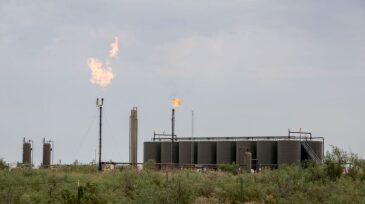
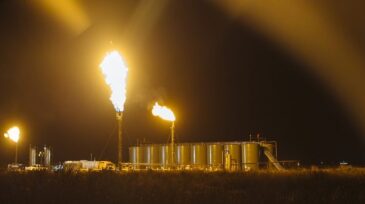
Oilfield flares are a bright indicator of rapidly rising oil production that exceeds pipeline capacity. And it raises the question: Why are oil companies in such a hurry?
-
Emissions of methane from the industrial sector have been vastly underestimated, researchers from Cornell University and the Environmental Defense Fund have found.