Emission management

TotalEnergies signed off for 30% operated stakes in the Lang Lebah and B14 gas fields offshore Sarawak on the sidelines of ADIPEC in Abu Dhabi, while also highlighting methane-reduction partnerships in Angola, India, and Southeast Asia.

More than half of 2025’s emissions reductions came from action at operating facilities, helping drive a 7% annual decline and a 37% drop since 2018.

This paper presents a flexible, highly cost- and energy-efficient method of gas separation and CO₂ capture from many different gas mixtures with a large range of CO₂ concentrations.
-
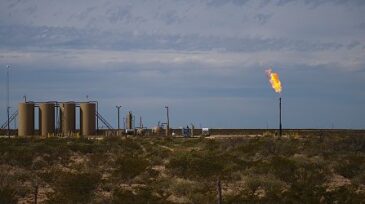
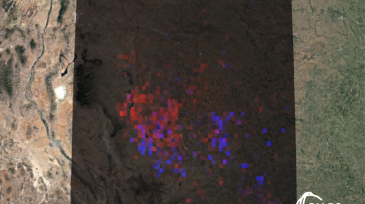
 Enough gas to supply 7 million homes is leaking into the atmosphere above oil fields in Texas and New Mexico, the largest plume of climate-change-driving methane pollution ever recorded over a US oil field, a new study from Harvard University and Environmental Defense Fund shows.
-
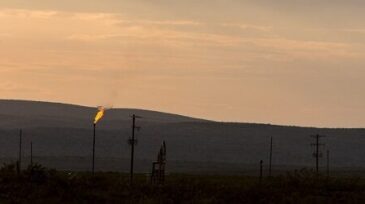
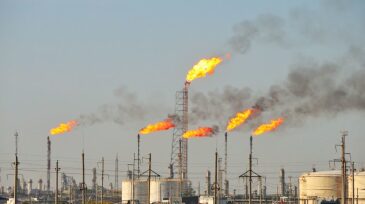
The combined effect of COVID-19 and an ongoing oil price war has ushered in one of the worst downturns for the energy industry in modern history. Yet, a bright side is shining through; flaring levels in the Permian Basin have fallen sharply and will continue to decline, a Rystad Energy report shows.
-
Methane, a powerful greenhouse gas, is leaking from industry sites at rates equivalent to the annual carbon emissions of France and Germany combined, a new analysis using satellite data shows.
-
A system proposed by researchers at the University of California, Santa Barbara, uses hyperspectral imaging and machine learning to detect the specific wavelength of methane emissions.
-
The largest oil and gas major in the US is calling for tighter rules around methane monitoring, wellhead venting, and the replacement of equipment components with “high-leak potential.”
-
Texas Railroad Commissioner releases state's first flaring report.
-
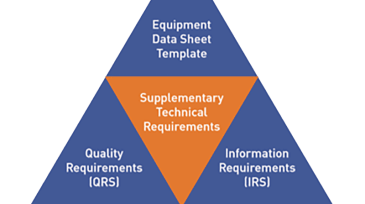
IOGP today launched JIP33 flare package specification guidelines for public review and comment.
-
GHGSat announced a new service for visualizing greenhouse-gas emissions. The interactive online resource will be freely available and will be formally launched during COP26 in November.
-
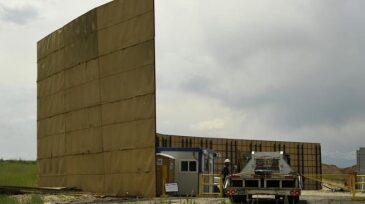
In an effort to prove oil and gas developments are not as big a contributor to the Front Range’s diminishing air quality, Crestone Peak Resources announced it will install air quality monitors at all of its horizontal hydraulic fracturing sites throughout the state.
-
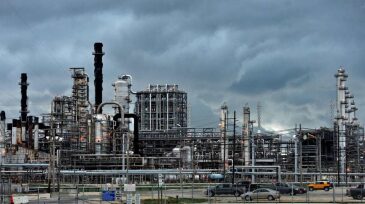
Oil and gas industry expansions could add as much greenhouse gas pollution as the equivalent of 50 coal plants by 2025—with much of that increase coming from Texas and Louisiana—at a time when pressure to slow down global warming rises, a new report found.