Emission management

TotalEnergies signed off for 30% operated stakes in the Lang Lebah and B14 gas fields offshore Sarawak on the sidelines of ADIPEC in Abu Dhabi, while also highlighting methane-reduction partnerships in Angola, India, and Southeast Asia.

More than half of 2025’s emissions reductions came from action at operating facilities, helping drive a 7% annual decline and a 37% drop since 2018.

This paper presents a flexible, highly cost- and energy-efficient method of gas separation and CO₂ capture from many different gas mixtures with a large range of CO₂ concentrations.
-
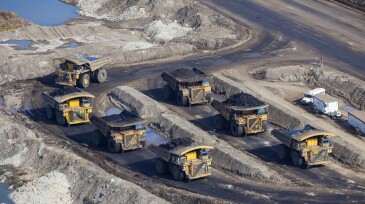
 Absolute greenhouse-gas emissions from Canadian oil sands increased by less than 1% in 2024, even as production grew, according to an analysis by S&P Global Commodity Insights, which cited gains in efficiency for the trend.
-
Emissions management remains an active and crucial research area in the oil and gas industry. It is a broad research category spanning several different directions. The papers of the past year demonstrate the rich diversity of ideas and analytical techniques used for tackling different research questions in this space.
-
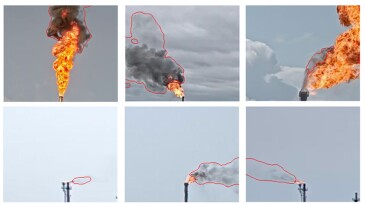
This paper focuses on developing a model that can be used in an automated, end-to-end flare-smoke detection, alert, and distribution-control solution that leverages existing flare closed-circuit television cameras at manufacturing facilities.
-
This study recommends favoring the combustion of ammonia over hydrogen for the purpose of reducing CO₂ and nitrogen emissions.
-
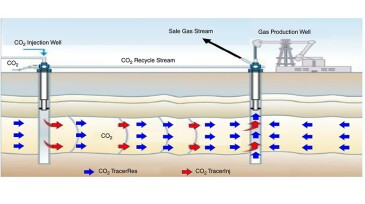
This study explores the feasibility of implementing in-situ carbon dioxide recycling for sequestration as a fit-for-purpose developmental strategy for a Malaysian gas field characterized by an initial carbon-dioxide content of approximately 60%.
-
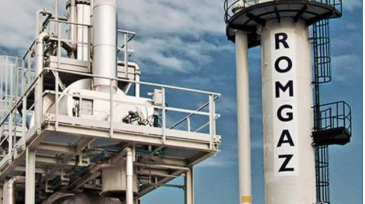
Real-time wellhead monitoring aims to help Romania meet new EU methane emission regulations.
-
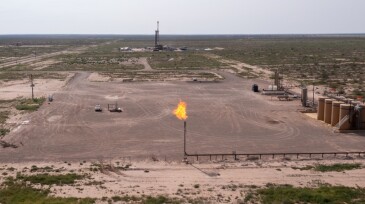
The new report shows that the intensity of methane emissions in the Permian Basin declined by more than half over 2 years.
-
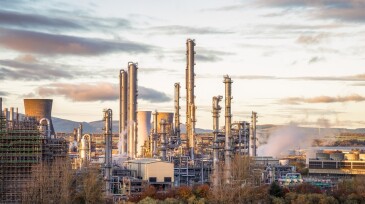
A new paper from researchers at Heriot-Watt University outlines key advances in chemistry that are driving the push in carbon capture technology.
-
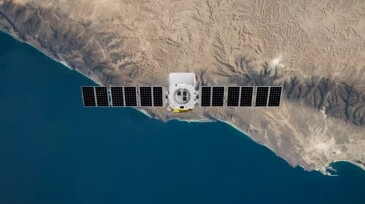
The nonprofit said the satellite likely is unrecoverable but that it will continue to analyze the data it had collected.
-
This paper aims to describe the role of liquefied natural gas as a transitional energy source for automobile transportation in Nigeria.