Emission management

This paper presents a flexible, highly cost- and energy-efficient method of gas separation and CO₂ capture from many different gas mixtures with a large range of CO₂ concentrations.

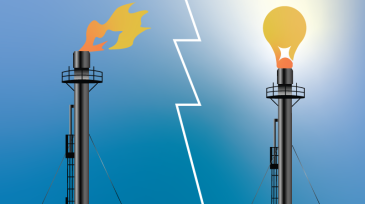
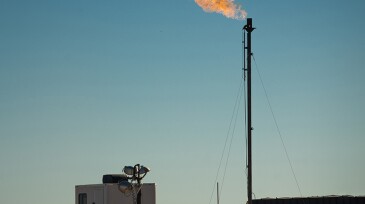
Emissions management covers a wide array of topics such as carbon capture, use, and storage; emissions monitoring; flare management; methods to improve operational efficiency; carbon accounting; and the effect of emissions management on global and local economics. The papers published in the past year span all these subcategories.

This study explores the carbon-capture and mineralization potential of ultramafic rock powders when exposed to flue gases generated from combustion of crude oil and mesquite-derived charcoal.
-
 SponsoredDiscover how improving flare measurement accuracy can alleviate your reporting problems.
 -
SPE recently became a supporting organization of the Aiming for Zero Methane Emissions Initiative, which aims to reduce methane emissions from oil and gas operations to near zero by 2030.
-
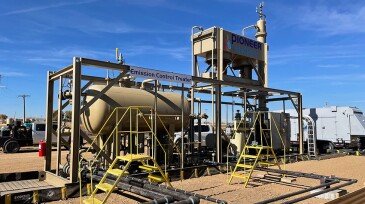
A new type of skid-mounted production facility was deployed on a pad in Weld County, Colorado, and demonstrated elimination of emissions, improved operational efficiency, and an increased crude yield of 11.3%.
-
Ipieca, together with the International Association of Oil and Gas Producers and the Oil and Gas Climate Initiative, released the guide to help operators select and deploy methane detection technologies.
-
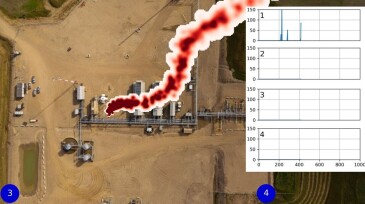
Large methane emissions occur from a wide variety of oil and gas industry sites with no discernable patterns, thus requiring methods to monitor for these releases throughout the production chain. This paper describes a continuous monitoring system based on the Internet of Things using methane concentration sensors permanently deployed at facilities and connected to a…
-
SponsoredImprove modeling accuracy and reduce the risk of unplanned downtime. By eliminating the need for multiple applications, complete more accurate comprehensive pressure safety studies faster.
-
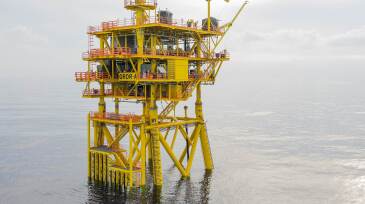
The platform is Shell's first in the region to be fully supplied by both wind and solar power generation.
-
Meeting the energy demands of today while advancing a lower-carbon energy future requires policy support, innovative approaches, capital investments, and time.
-
Operators share emissions-mitigation research insights amid calls to accelerate to meet 2030 goals.
-
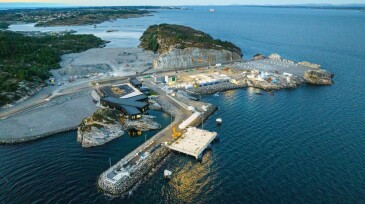
The region stands to benefit from TotalEnergies’ experience as a partner in Norway’s Northern Lights CCS development to decarbonize industrial operations in northern Europe. The first injection of carbon dioxide at Northern Lights is expected in 2024.