Emission management

This paper presents a flexible, highly cost- and energy-efficient method of gas separation and CO₂ capture from many different gas mixtures with a large range of CO₂ concentrations.

Emissions management covers a wide array of topics such as carbon capture, use, and storage; emissions monitoring; flare management; methods to improve operational efficiency; carbon accounting; and the effect of emissions management on global and local economics. The papers published in the past year span all these subcategories.

This study explores the carbon-capture and mineralization potential of ultramafic rock powders when exposed to flue gases generated from combustion of crude oil and mesquite-derived charcoal.
-
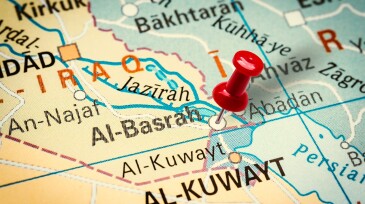
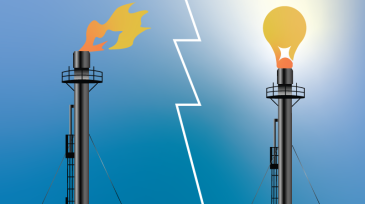
 The Gas Growth Integrated Project will capture and supply flare gas to generate electricity and treat seawater to manage pressure in oil wells in Iraq’s Basra region.
 -
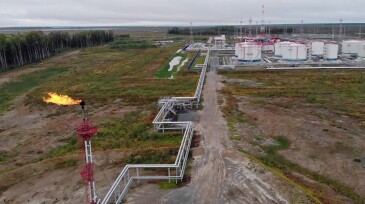
The authors of this paper discuss Saudi Arabia’s progress in gas flaring, the measures the government has taken, and how operators have adapted.
-
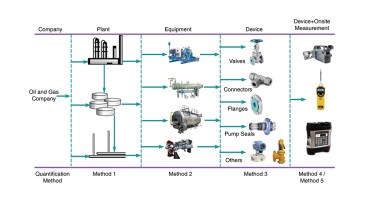
The authors of this paper describe an initiative taken to measure baseline data for methane emission for gas-processing facilities and gas-transmission and regasification units by using accurate tools and methodologies for detection and quantification.
-
SponsoredImprove modeling accuracy and reduce the risk of unplanned downtime. By eliminating the need for multiple applications, get more accurate and comprehensive pressure safety studies faster.
-
The funding aims to support 22 projects to advance technologies to monitor, measure, and mitigate methane emissions across the US natural gas supply chain.
-
Three leading global financial institutions recently announced updated environmentally linked targets aimed at reducing by 2030 their financed emissions in carbon-intensive sectors, including oil and gas.
-
BPX Energy, BP’s US onshore upstream business, has expanded MiQ certification to 100% of BP’s US onshore facilities in Texas and Louisiana.
-
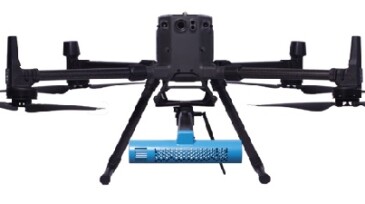
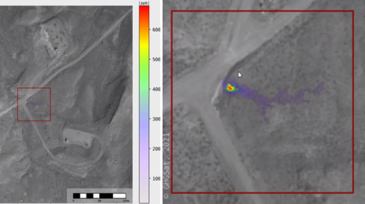
This case study highlights the effectiveness of unmanned aerial systems in enabling land-based operators to assess the relative seriousness of leaks efficiently by both localizing and quantifying their methane emission rates.
-
This paper discusses how methane detection from oil and gas infrastructure using remote sensing technologies enables operators to quantify and minimize the emissions while gaining insight and an understanding of their operations through data analytics.
-
Oil and gas companies are betting on the use of drones and robots for leak detection and methane emissions reduction.