Emission management

This paper presents a flexible, highly cost- and energy-efficient method of gas separation and CO₂ capture from many different gas mixtures with a large range of CO₂ concentrations.

Emissions management covers a wide array of topics such as carbon capture, use, and storage; emissions monitoring; flare management; methods to improve operational efficiency; carbon accounting; and the effect of emissions management on global and local economics. The papers published in the past year span all these subcategories.

This study explores the carbon-capture and mineralization potential of ultramafic rock powders when exposed to flue gases generated from combustion of crude oil and mesquite-derived charcoal.
-
 Canada’s methane emissions from the oil and gas sector in Alberta and Saskatchewan are almost twice as high as had been previously reported, according to a new study by federal government scientists.
 -
The oilfield service company said it expects to set emissions-reduction targets by next year to meet the goals of the Paris Accord.
-
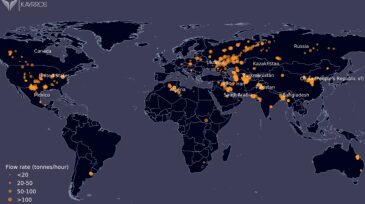
Using a European Space Agency satellite, data analytics firm Kayrros pinpointed global locations of methane emissions and recorded a 32% increase in the overall volume of methane emitted from large leaks compared with the first 8 months of 2019.
-
A state commission has approved a rule that will require companies to monitor emissions from oil and gas sites earlier and more frequently than is currently done as Colorado officials implement a law overhauling how the industry is regulated.
-
Natron Energy aims to scale up domestic manufacturing of sodium-ion batteries , and Bridger Photonics will target the operational efficiency for leak detection and emissions tracking.
-
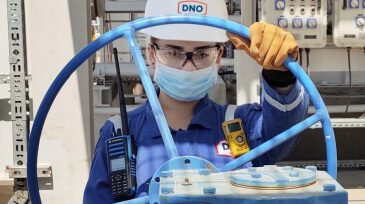
DNO announced that it has brought its gas capture and injection program online in the Kurdistan region of Iraq. Already reaching the milestone of 1 Bcf of gas injected, the project is expected to reduce annual emissions from the company’s production by more than 300,000 tonnes of CO2 equivalent.
-
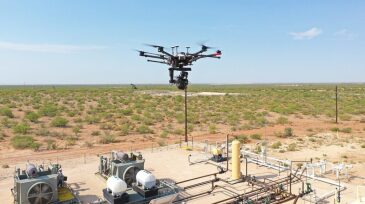
After 2 years of testing, Shell is going all in on using high-flying technology to catch methane leaks to reduce its overall emissions to less than 1%.
-
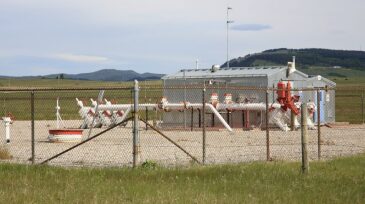
Williams Companies announced a near-term goal of a 56% absolute reduction from 2005 levels in greenhouse-gas emissions by 2030, aiming for net-zero carbon emissions by 2050. Why is this significant, and where can emissions be mitigated in the midstream natural-gas gathering and boosting segment?
-
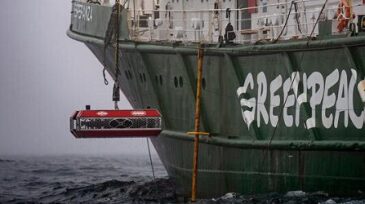
Using an underwater remotely operated vehicle, activists on board the Greenpeace ship Esperanza documented a large methane leak in the North Sea caused by a major blowout during an oil drilling operation 30 years ago.
-
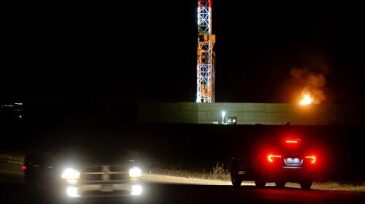
OGCI Launches $1 Million Partnership With Payne Institute To Develop Web Platform To Map Gas FlaringThe Oil and Gas Climate Initiative has announced a technical and financial sponsorship commitment of nearly $1 million to the Payne Institute for Public Policy at Colorado School of Mines to develop a transparent web platform to support real-time mapping and tracking of global gas flaring data.