Emission management

This paper presents a flexible, highly cost- and energy-efficient method of gas separation and CO₂ capture from many different gas mixtures with a large range of CO₂ concentrations.

Emissions management covers a wide array of topics such as carbon capture, use, and storage; emissions monitoring; flare management; methods to improve operational efficiency; carbon accounting; and the effect of emissions management on global and local economics. The papers published in the past year span all these subcategories.

This study explores the carbon-capture and mineralization potential of ultramafic rock powders when exposed to flue gases generated from combustion of crude oil and mesquite-derived charcoal.
-
 Methane, a powerful greenhouse gas, is leaking from industry sites at rates equivalent to the annual carbon emissions of France and Germany combined, a new analysis using satellite data shows.
 -
A system proposed by researchers at the University of California, Santa Barbara, uses hyperspectral imaging and machine learning to detect the specific wavelength of methane emissions.
-
The largest oil and gas major in the US is calling for tighter rules around methane monitoring, wellhead venting, and the replacement of equipment components with “high-leak potential.”
-
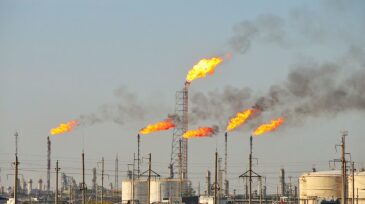
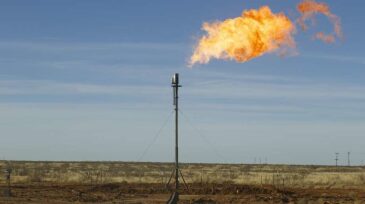
Texas Railroad Commissioner releases state's first flaring report.
-
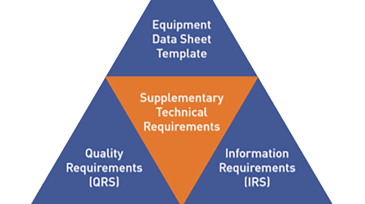
IOGP today launched JIP33 flare package specification guidelines for public review and comment.
-
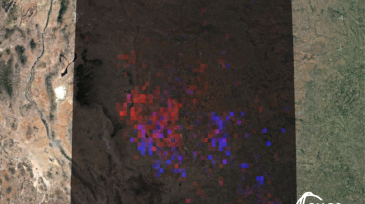
GHGSat announced a new service for visualizing greenhouse-gas emissions. The interactive online resource will be freely available and will be formally launched during COP26 in November.
-
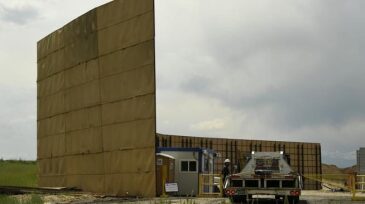
In an effort to prove oil and gas developments are not as big a contributor to the Front Range’s diminishing air quality, Crestone Peak Resources announced it will install air quality monitors at all of its horizontal hydraulic fracturing sites throughout the state.
-
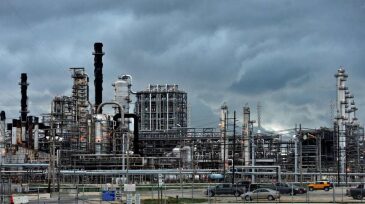
Oil and gas industry expansions could add as much greenhouse gas pollution as the equivalent of 50 coal plants by 2025—with much of that increase coming from Texas and Louisiana—at a time when pressure to slow down global warming rises, a new report found.
-
A Denver-based company has been installing data centers at shale drilling sites to take advantage of excess natural gas. Now, according to a new Bloomberg report, that company hopes to harness some of that gas to power data centers for Bitcoin mining.
-
As The Environmental Partnership celebrates its second anniversary, the coalition of oil and natural gas companies has grown 150% to 70 members while continuing efforts to reduce emissions from natural gas production.