Emission management

This paper presents a flexible, highly cost- and energy-efficient method of gas separation and CO₂ capture from many different gas mixtures with a large range of CO₂ concentrations.

Emissions management covers a wide array of topics such as carbon capture, use, and storage; emissions monitoring; flare management; methods to improve operational efficiency; carbon accounting; and the effect of emissions management on global and local economics. The papers published in the past year span all these subcategories.

This study explores the carbon-capture and mineralization potential of ultramafic rock powders when exposed to flue gases generated from combustion of crude oil and mesquite-derived charcoal.
-
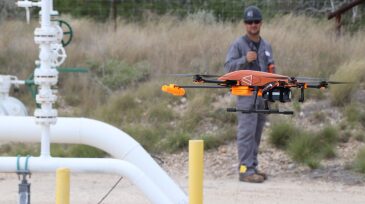
 The pilot used sensor technology originally deployed by NASA for the Mars Curiosity Rover to collect methane emissions data live-streamed from a drone. BP said it plans to deploy the technology to all of its North Sea assets, including ETAP and Glen Lyon, in 2020.
 -
Equinor Technology Ventures and OGCI Climate Investments have agreed to back the tech developer, which integrates its SeekIR miniature gas sensors onto drones to detect, localize, and quantify carbon emissions.
-
New Mexico’s Lujan Grisham pushes an ambitious pro-environment agenda for an industry whose receipts dominate the state budget.
-
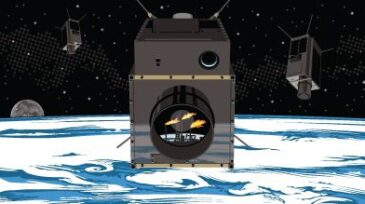
The 33-month project will compare emissions data collected by terrestrial sensors to GHGSat's combined satellite and aircraft measurements.
-
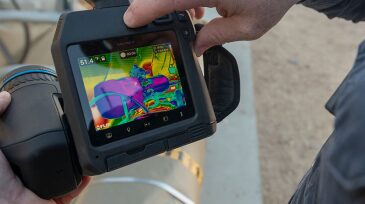
Thermal imaging helps operators maintain regulatory compliance on methane-emissions requirements. Optical gas imaging technology may be an answer in allowing for faster, more efficient inspections, but there are hurdles to its adoption. How can its widespread use become a reality?
-
Devon Energy announced that it plans to lower detectable emissions at its US production sites by at least 12.5% in 6 years.
-
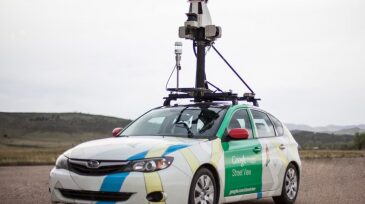
Emissions of methane from the industrial sector have been vastly underestimated, researchers from Cornell University and the Environmental Defense Fund have found.
-
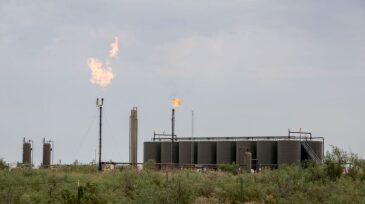
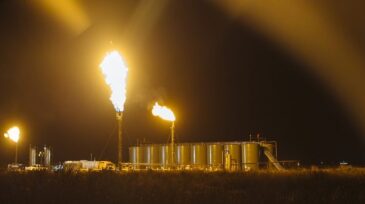
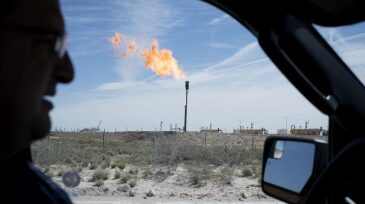
Oilfield flares are a bright indicator of rapidly rising oil production that exceeds pipeline capacity. And it raises the question: Why are oil companies in such a hurry?
-
The US Environmental Protection Agency recently finalized a voluntary disclosure program for new owners of upstream oil and gas facilities designed to encourage them to find, correct, and self-report violations of the Clean Air Act, in particular those associated with emissions from storage vessels.
-
America’s hottest oil patch is producing so much natural gas that, by the end of last year, producers were burning off more than enough of the fuel to meet residential demand across the whole of Texas.