Energy transition

This paper presents a flexible, highly cost- and energy-efficient method of gas separation and CO₂ capture from many different gas mixtures with a large range of CO₂ concentrations.

This study explores the carbon-capture and mineralization potential of ultramafic rock powders when exposed to flue gases generated from combustion of crude oil and mesquite-derived charcoal.

This paper introduces channel stacking, a novel and efficient methodology designed to significantly improve optical gas imaging-based leak detection.
-
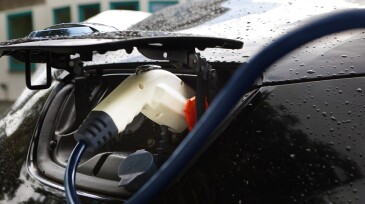
 As electric vehicles make their move into the fast lane, the two high-profile companies are partnering to keep them on track.
 -
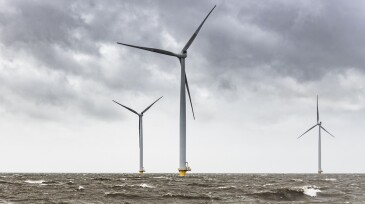
The list of potential bidders for Norway’s first tender for offshore wind farm licenses is long. More than two dozen companies and joint ventures from throughout Europe are likely to participate in the tender planned for later this year.
-
Are you trying to stay up to date about developments aimed at energy transition efforts in our industry? This roundup of news presents some of the recent announcements.
-
Oil isn’t going away, but that misses the fact that a demand plateau will structurally change the industry for people and companies in the most geologically mature areas, especially the United States.
-
As European majors push hard and fast to decarbonize energy and move into new and renewable sources, US majors are focusing on cleaner, more efficient hydrocarbons. Which approach and which companies will gain the upper hand?
-
Victories by climate activists targeting Shell and Exxon Mobil have packed a strong punch. What does this foretell for the next round in the climate debate?
-
The facility would be the first of its kind in the US and is planned to be located in West Texas’ Permian Basin.
-
In a joint communiqué, the Group of Seven nations has called for an “absolute end” to new direct government support for unabated international thermal coal power generation by the end of 2021 and for fossil fuel financing to keep the objectives of the Paris Agreement within reach.
-
Founded in 2017, Fervo Energy is aiming to leverage multistage hydraulic fracturing technology to create more-efficient geothermal wells that will power the Internet company's data infrastructure by 2022.
-
The roadmap presented by the International Energy Agency requires extreme measures that could be career changing for petroleum engineers.