Energy transition

This paper presents a flexible, highly cost- and energy-efficient method of gas separation and CO₂ capture from many different gas mixtures with a large range of CO₂ concentrations.

This study explores the carbon-capture and mineralization potential of ultramafic rock powders when exposed to flue gases generated from combustion of crude oil and mesquite-derived charcoal.

This paper introduces channel stacking, a novel and efficient methodology designed to significantly improve optical gas imaging-based leak detection.
-
 The new geothermal project development company will offer expertise in subsurface and drilling, project development, and risk mitigation.
 -
The Report “Transition Faster Together: Renewable Solutions, Strategies, and Policies for a Clean Energy Future” outlines focus areas to stimulate the generation of renewable energy and reduce carbon dioxide emissions.
-
Researchers at OU have received $2.5 million of US Department of Energy funding for a three-phase study to develop technologies to increase power production from geothermal wells. The geothermal development research site in Southern California sits on the US Navy’s largest single landholding.
-
Nearly 90% of geothermal capacity built since 2000 is binary cycle.
-
Supermajor announces actions to achieve net-zero ambition and reshape business. It also noted that it will not seek to explore in countries where it does not already have upstream activities.
-
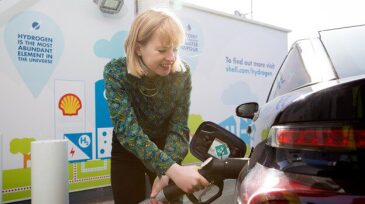
Hydrogen is big news, and not for the first time. But this time could be different. This article looks at the current state of enabling technology, obstacles to a hydrogen economy, and signs that the hydrogen economy could be emerging.
-
Oil and gas are not the only things in the ground that can power our lives. Heat in the form of geothermal energy is rapidly taking its place alongside other sources of renewable energy, buoyed by the lessons learned from decades of drilling for oil.
-
Around $90 billion, or 40% of the revenue from the top 50 players in the global service market, could potentially be replaced by energy transition projects, such as clean energy infrastructure and renewable energy production development services.
-
The goal of the platform is to connect technologies to operators, developers, and end users in the UK oil, gas, and renewable energy sectors and be the catalyst for rapid technology deployment.
-
Hydrogen from fossil fuels is not only an easier way to pivot to clean energy than going full-on renewables; it could also establish new businesses and generate tremendous revenue by leveraging the oil and gas industry’s existing knowledge and expertise.