Energy transition

This paper presents a flexible, highly cost- and energy-efficient method of gas separation and CO₂ capture from many different gas mixtures with a large range of CO₂ concentrations.

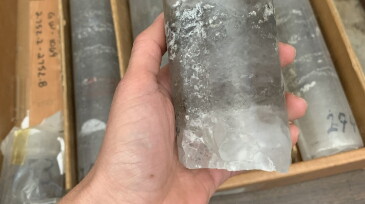
This study explores the carbon-capture and mineralization potential of ultramafic rock powders when exposed to flue gases generated from combustion of crude oil and mesquite-derived charcoal.

After years of market shocks, technological breakthroughs, and rising uncertainty, ATCE 2026 will provide new insights on how industry leaders and technical experts are preparing for the next era of the upstream business.
-
 Also: A report says Bitcoin mining could ease emissions. Haliburton is accelerating its clean-energy efforts, while insurer Chubb cracks down on methane. ExxonMobil and Linde team up in Texas. Shell plans to limit CO2 emissions in Dutch plants, and Drax presses pause on bioenergy in the UK.
 -
The large US shale producer has officially entered into the renewable energy sector with its largest venture investment yet.
-
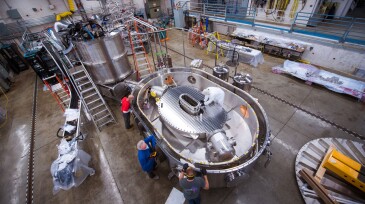
The strategic agreement puts the partners’ joint activities on a more certain path to connecting the first fusion power plant based on magnetic confinement to the electrical grid by early 2030.
-
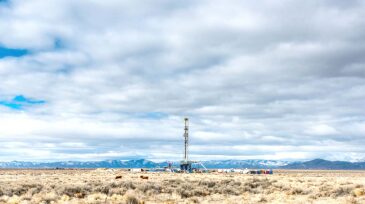
Two US test sites have fractured hot, dry rock with plans to create a network of fractures for water heating. They will soon find out if the fractures worked as expected.
-
The coupled geomechanical and dynamic flow simulation work flow described in this paper relies on a multidisciplinary approach to meet future peak gas demands and support clean-energy initiatives.
-
The technology and knowledge base of the E&P sector is poised to play a major role in the newer, lower-carbon energy economy.
-
The industry continues its move toward energy transition, demonstrating different stages among companies. These industry changes are affecting our current and future members, and SPE is working to provide guidance and education to our members through many avenues.
-
The University of Texas at Austin leads new energy consortium in partnership with multiple entities from academia, national labs, and a research center for development of the Permian Energy Development Laboratory.
-
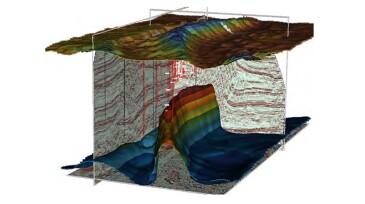
Researchers are building a comprehensive database of hundreds of salt domes to help expand subsurface hydrogen storage in the US.
-
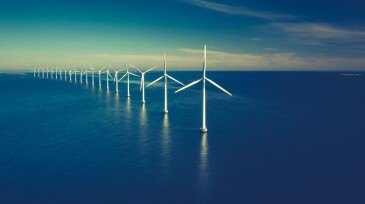
Wind projects sweep across the globe; offshore wind and green hydrogen dive into the North Sea; and the Sunshine State gets a bit brighter.