Energy transition

The new guidelines were released prior to reports that enhanced geothermal developer Fervo Energy experienced a blowout in Utah with no reported injuries.

Utah, Colorado, Arizona, and New Mexico have formed the Mountain West Geothermal Consortium to turn geothermal energy into gigawatts of baseload power.

This paper presents a case study of oriented tubing-conveyed perforation followed by an acidizing operation to overcome technical challenges posed by a depleted reservoir targeted for a carbon capture, utilization, and storage project.
-
 Opening additional channels of communication with our members provided important feedback to move forward with the Strategic Plan.
 -
As the world continues to grapple with the post-pandemic new normal and unfamiliar global uncertainty, the case to begin and commit to a career in the upstream subsurface industry may be harder to see, but it’s still rewarding and with longevity.
-
SponsoredWith many countries pledging to meet net zero targets, companies can seize the opportunity to become leaders in sustainable energy to support those net zero plans.
-
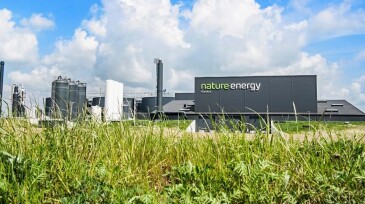
The UK-based supermajor is taking over Nature Energy, a company that specializes in turning manure and food waste into “CO2-neutral” natural gas.
-
The oilfield service giant has identified the nation's potential geothermal sweet spots after analyzing data from more than 7,000 wells.
-
The H2TS brings together technical professionals and academics who are active, or have a deep interest, in the use of hydrogen as an energy carrier.
-
Egypt bags its newest wind project with UAE to feed future electrical flows regionally and eventually to Europe.
-
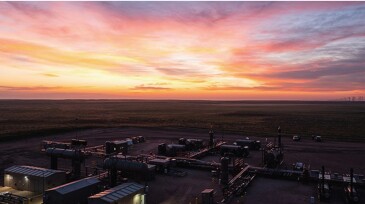
Seven facilities design and public engagement principles are identified as key elements for the future oil and natural gas production facilities for the DJ Basin, and maybe even as a guide for other North American onshore shale basins.
-
The US/UAE Partnership for Accelerating Clean Energy (PACE) is set to catalyze $100 billion in financing, investment, and other support and to deploy globally 100 GW of clean energy by 2035 to advance the energy transition and maximize climate benefits.
-
In following some of the upstream industry's other big firms, the legacy oilfield service company believes the time for a change has come.