Energy transition

The new guidelines were released prior to reports that enhanced geothermal developer Fervo Energy experienced a blowout in Utah with no reported injuries.

Utah, Colorado, Arizona, and New Mexico have formed the Mountain West Geothermal Consortium to turn geothermal energy into gigawatts of baseload power.

This paper presents a case study of oriented tubing-conveyed perforation followed by an acidizing operation to overcome technical challenges posed by a depleted reservoir targeted for a carbon capture, utilization, and storage project.
-
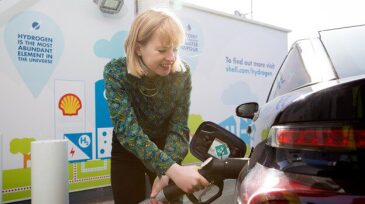
 Hydrogen is big news, and not for the first time. But this time could be different. This article looks at the current state of enabling technology, obstacles to a hydrogen economy, and signs that the hydrogen economy could be emerging.
 -
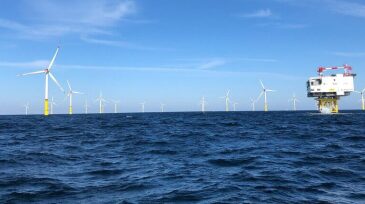
Oil and gas are not the only things in the ground that can power our lives. Heat in the form of geothermal energy is rapidly taking its place alongside other sources of renewable energy, buoyed by the lessons learned from decades of drilling for oil.
-
Around $90 billion, or 40% of the revenue from the top 50 players in the global service market, could potentially be replaced by energy transition projects, such as clean energy infrastructure and renewable energy production development services.
-
The goal of the platform is to connect technologies to operators, developers, and end users in the UK oil, gas, and renewable energy sectors and be the catalyst for rapid technology deployment.
-
Hydrogen from fossil fuels is not only an easier way to pivot to clean energy than going full-on renewables; it could also establish new businesses and generate tremendous revenue by leveraging the oil and gas industry’s existing knowledge and expertise.
-
IHS Markit says the industry’s “striking pace of growth” and a dynamic commercial environment are fueling the movement to zero-carbon sources.
-
Technology innovation, job creation, inclusive and equitable recoveries, and sustainable electricity headline discussions at high-level summit.
-
Exploration is widely perceived as discretionary, even unwarranted. A report from Wood Mackenzie, however, presented a different scene. Only about half the supply needed to reach 2040 is guaranteed from fields already on stream, it said. The rest requires new capital investment and is up for grabs.
-
Approaches to carbon abatement using petroleum are discussed that have a strong chance to succeed in fulfilling technological and economic goals in reducing carbon.
-
World energy is at a “pivotal moment,” says BP CEO in annual statistical review, which reveals contrasts, challenges in energy consumption, production, and emissions.