Energy transition

The new guidelines were released prior to reports that enhanced geothermal developer Fervo Energy experienced a blowout in Utah with no reported injuries.

Utah, Colorado, Arizona, and New Mexico have formed the Mountain West Geothermal Consortium to turn geothermal energy into gigawatts of baseload power.

This paper presents a case study of oriented tubing-conveyed perforation followed by an acidizing operation to overcome technical challenges posed by a depleted reservoir targeted for a carbon capture, utilization, and storage project.
-
 Geothermal systems, which rely on extracting heat from deep within the Earth, face many of the same technical challenges that oil and gas operators have tackled for decades. Geothermal development can be advanced efficiently and economically by applying proven oil and gas technologies.
 -
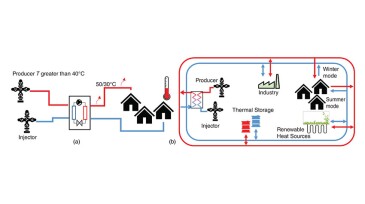
This study highlights how the recovery and reuse of existing hydrocarbon infrastructure can contribute to the diffusion of district-heating projects that implement the principles of the circular economy.
-
This article kicks off a Q&A series from the SPE Research and Development Technical Section, focusing on emerging energy technologies. In this piece, Amy Bason of the Oil and Gas Climate Initiative highlights decarbonization efforts in global transportation.
-
The companies have announced they will work together to integrate geothermal well engineering and project delivery globally.
-
A recent report from Wood Mackenzie highlights the role of natural gas in supporting renewables and reducing emissions.
-
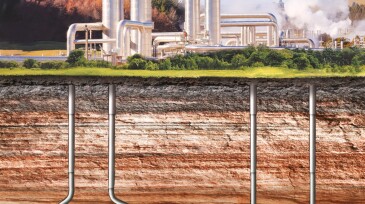
Closed-loop geothermal systems have entered the new-energy arena to generate electricity using the underground as a heat exchanger.
-
Equinor will reduce investments in renewables over the next 2 years by 50% to $5 billion and will increase its focus on oil and gas production, expecting more than 10% growth from 2024 to 2027.
-
The companies said they plan to work together on developing geopressured geothermal systems for low-carbon energy storage and geothermal power generation.
-
Greenhouse gases are woven into every stage of a well’s life, which presents challenges that demand creative solutions that do not require too much capital.
-
Wood Mackenzie reports that prices would need to rise, capital discipline would need to evolve, and spending would need to increase by 30% for the upstream sector to meet demand in a delayed energy transition scenario.