Energy transition

This study explores the carbon-capture and mineralization potential of ultramafic rock powders when exposed to flue gases generated from combustion of crude oil and mesquite-derived charcoal.

This paper introduces channel stacking, a novel and efficient methodology designed to significantly improve optical gas imaging-based leak detection.

This paper presents a flexible, highly cost- and energy-efficient method of gas separation and CO2 capture from many different gas mixtures with a large range of CO2 concentrations.
-
 The expanded scope of our evolving industry means that members of the petroleum engineering profession will enjoy a long, rewarding career. At the same time, we will need to continue developing our competencies to enable expected contributions in producing new forms of energy resources.
 -
While innovation steadily advances technologies to produce geothermal energy, the determination of clearly defined laws and regulations is playing catch-up—state by state and case by case in courts. And until it does, scaling up of this promising energy source is at risk of being hamstrung.
-
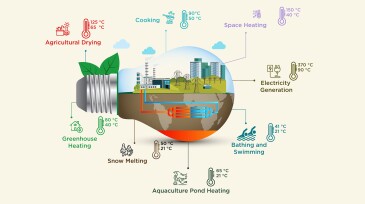
Geothermal energy’s advantages make it popular across multiple sectors, from residential to industrial applications. Primary applications, namely electricity, direct use, and ground source heat pumps, offer diverse energy sources. Details of these and some unconventional applications are discussed.
-
Advantages for conversion of nonactive oil and gas wells to geothermal wells include deferred plugging and abandonment costs, safety and environmental concerns, and potential energy production.
-
This inaugural event will take place 22–23 August in Houston.
-
SPE and Project Innerspace are organizing the first Geothermal AInnovation Competition. Teams from around the world are invited to participate in this virtual competition aimed at showcasing the potential of AI-assisted work flows in the geothermal life cycle.
-
Colorado and the Gulf Coast prepare for new facilities; Chile sets out to tackle its carbon dioxide emissions; and Egypt announces plans for the largest wind farm in the world.
-
SPE’s professional membership has an important role to play in mitigating climate change concerns and in developing new low- or no-carbon sources of energy. We offer a forum for presenting and disseminating scientifically vetted technical information about what can be and is being done by our members.
-
A decade ago, SPE defined key R&D and technology challenges for the industry. To address the more uncertain environment of the 2020s and beyond, we have updated the grand challenges via a January 2023 SPE workshop.
-
Picking up the pace of innovation and demonstration of advanced nuclear reactors is required if nuclear is to play a role in decarbonization beyond electricity by providing low-carbon heat or hydrogen.