Environment

With millions of wells having been drilled in the US since the beginning of the oil age, the land is pocked with old, unused wellbores. For most, repurposing is a pipe dream. Plugging is the best option.

This guest editorial examines how the most commonly used and cited methane emissions metric can create a misleading picture of upstream gas-handling performance for both the public and industry professionals.

Spain has granted permits covering a swath of the mountain range to Mantle8 for natural hydrogen and helium exploration a month after France granted the company similar permits.
-
 The complete paper describes the development of, and summarizes the major changes and additions to, the Environmental Management in the Oil and Gas Industry guide.
 -
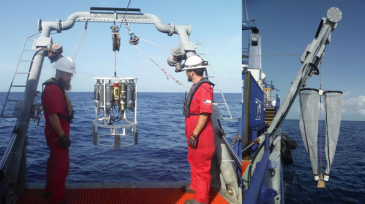
The EPSO surveys were completed offshore Mexico for Total and Cairn in compliance with requirements of Mexico’s National Agency for Safety, Energy, and Environment.
-
Intertek’s program aims to provide validation of the carbon impact of producing 1 BOE across an entire production portfolio, in aggregate, or by field.
-
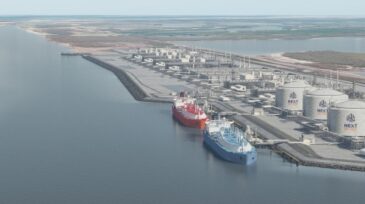
The original technology selected in 2015 and 2016 for Rio Grande LNG has since evolved. With five trains instead of six, Rio Grande LNG will still produce 27 mtpa.
-
Energy Transfer pursued the stay and expedited appeal after its emergency request for a stay was denied by the US District Court for the District of Columbia.
-
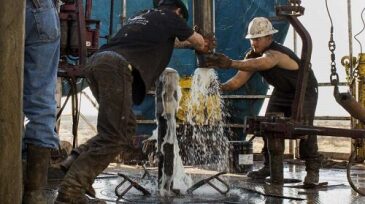
Oil drilling produces up to 10 gallons of water for every barrel of oil. While the Environmental Protection Agency has balked at allowing oil companies to treat drilling waste water and discharge it into streams, oil-rich states, including Texas, are moving forward with plans to permit it.
-
Apache, Qatar, and Shell clinch best discovery, best new venturer, and energy transition leader.
-
A report from the Norwegian Petroleum Directorate details how production powered from shore would cut down on carbon dioxide emissions. All of the planned projects from the onshore power grid are expected by the mid-2020s.
-
Satelytics, a US-based geospatial analytics software startup, will receive $5 million from BP Ventures to develop its methane-detection technology and then scale its applications across the oil and gas sector.
-
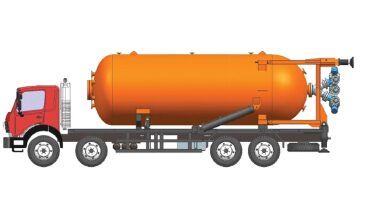
Carbon dioxide (CO2) waterless fracturing uses liquid CO2 to replace water as the fracturing fluid in reservoir stimulation. The continuity and reliability of the blender are key factors determining performance of the operation.