Environment

The Absheron gas field expansion will supply additional natural gas to Azerbaijan’s domestic market and support its export commitments to Turkey, allowing Baku to stay focused on meeting its gas export obligations to Europe.

With millions of wells having been drilled in the US since the beginning of the oil age, the land is pocked with old, unused wellbores. For most, repurposing is a pipe dream. Plugging is the best option.

This guest editorial examines how the most commonly used and cited methane emissions metric can create a misleading picture of upstream gas-handling performance for both the public and industry professionals.
-
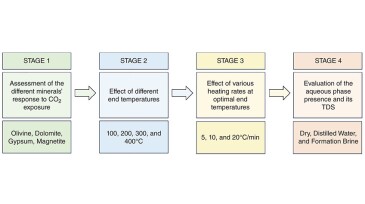
 This paper presents a novel methodology for assessing the rapid mineral carbonation of carbon dioxide through geochemical interactions with carbon-, magnesium-, and iron-rich minerals abundant in geological formations.
 -
This paper details the formulation and characterization of a novel nanoparticle system composed of polyethyleneimine and dextran sulfate for direct lithium extraction from bulk oilfield brines in North America.
-
BlackRock’s Global Infrastructure Partners moves to buy nearly half of the stake in Eni's CCUS subsidiary.
-
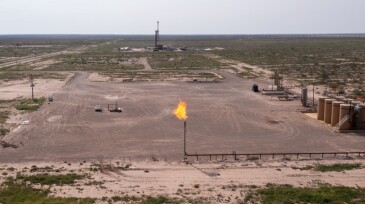
The new report shows that the intensity of methane emissions in the Permian Basin declined by more than half over 2 years.
-
This paper describes a risk-based self-verification process conducted through a bespoke software application.
-
This paper discusses and demonstrates the limitations of quantitative risk assessment (QRA) with respect to the usefulness of the concept in managing day-to-day and emerging risks as well as the effect of change.
-
The updates remove some requirements from two grant programs in an attempt to speed up the application process.
-
A new paper from researchers at Heriot-Watt University outlines key advances in chemistry that are driving the push in carbon capture technology.
-
The companies have signed an agreement to deliver carbon captured using Shell’s Cansolv system.
-
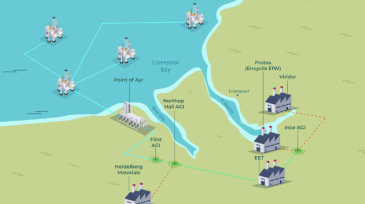
The North Sea project will transport and permanently store up to an initial 4 million metric tons of carbon dioxide per year, with startup expected in 2028.