Environment
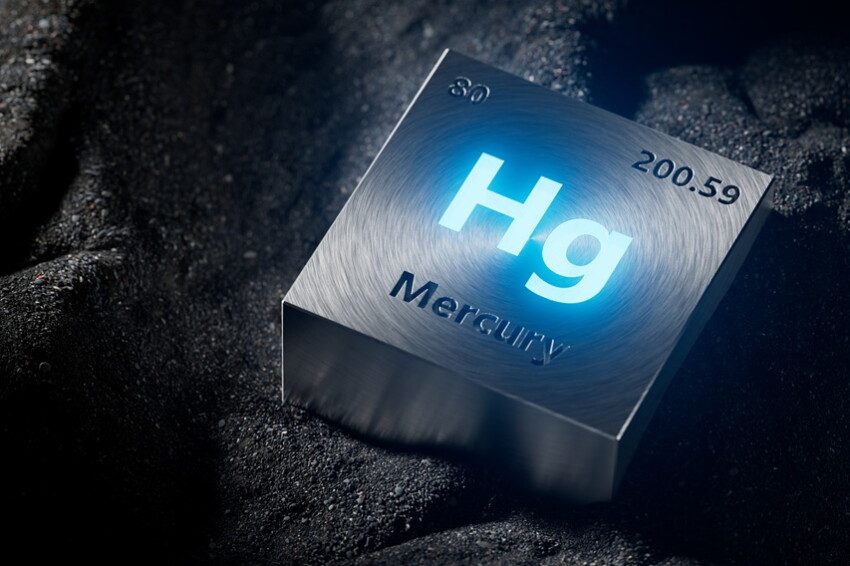
A laboratory research study evaluates several different chemical injection concepts for the removal of elemental mercury from multiphase flow.

Experts and industry leaders gathered in The Woodlands, Texas, recently to sift through the challenges of carbon capture, utilization, and storage. The puzzle is coming together, but some critical pieces are still needed before the results look like the picture on the box.

This article from the SPE Sustainable Development Technical Section (SDTS) explores how the next phase of methane performance will be defined less by pledges and more by measurement, response, and verifiable results.
-
 Enough gas to supply 7 million homes is leaking into the atmosphere above oil fields in Texas and New Mexico, the largest plume of climate-change-driving methane pollution ever recorded over a US oil field, a new study from Harvard University and Environmental Defense Fund shows.
 -
Earth Day this year, 22 April, marked 50 years of raising global awareness for the challenges faced by the planet and the life it supports. IPIECA, the oil and gas industry association for advancing environmental and social performance, has been addressing climate issues for more than 30 years.
-
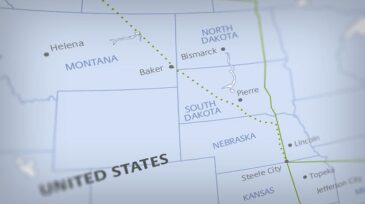
The court ruling comes less than a month after TC Energy announced plans to proceed with construction of the Keystone Pipeline.
-
On 20 April 2010, a blowout on the Deepwater Horizon, drilling at the Macondo prospect in the Gulf of Mexico, killed 11 crew and caused a major oil spill. The accident and spill forever changed the industry.
-
A preliminary estimate from the US National Oceanic and Atmospheric Administration finds that levels of atmospheric methane, a potent heat-trapping gas, have hit an all-time high.
-
As studies point to increased emissions, ExxonMobil is stepping up efforts to detect and mitigate methane release.
-
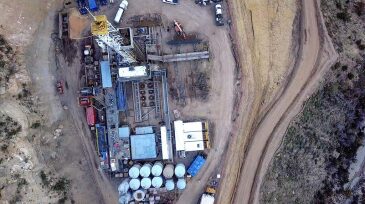
The county commissioners approved regulations for new oil and gas facilities in the county that match or exceed state rules.
-
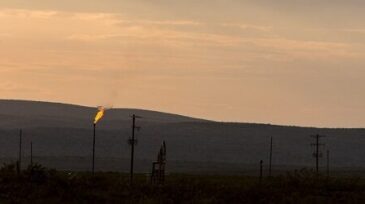
The combined effect of COVID-19 and an ongoing oil price war has ushered in one of the worst downturns for the energy industry in modern history. Yet, a bright side is shining through; flaring levels in the Permian Basin have fallen sharply and will continue to decline, a Rystad Energy report shows.
-
The oil and gas industry recognized the value of UASs a few years ago, and now the industry and oil-spill-response organizations around the world are looking at ways to use UAS technology to have “eyes in the sky” to support spill responses and explore the safety, efficiency, and cost benefits.
-
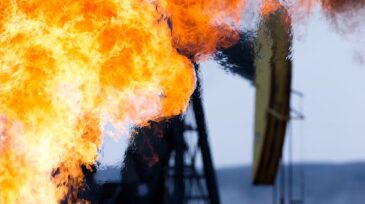
Flaring has roughly tripled in 2 years in the Permian. As flaring has skyrocketed, so have the calls to curb it. But there is little agreement on how that should be done.