Environment
A laboratory research study evaluates several different chemical injection concepts for the removal of elemental mercury from multiphase flow.

Experts and industry leaders gathered in The Woodlands, Texas, recently to sift through the challenges of carbon capture, utilization, and storage. The puzzle is coming together, but some critical pieces are still needed before the results look like the picture on the box.

This article from the SPE Sustainable Development Technical Section (SDTS) explores how the next phase of methane performance will be defined less by pledges and more by measurement, response, and verifiable results.
-
 The partnership will fund research projects that aim to improve the understanding of the environmental impacts of decommissioning and provide guidance on best options from an environmental perspective.
 -
A federal judge in Idaho has voided nearly 1 million acres of oil and gas leases on federal lands in the West, saying that a Trump administration policy that limited public input on those leases was “arbitrary and capricious.”
-
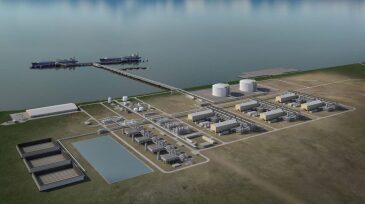
The Alaska LNG project moves another step closer to a final order, expected in June.
-
A recent report details national and global security threats related to climate change in the hopes that decision-makers and leaders will recognize the relationship between global warming and security.
-
Instead of burning money, why not make electricity? This is the big pitch being made by a growing number of technology companies who see green every time they see a red-hot flare burning associated gas.
-
Toxic and invisible oil spread well beyond the known satellite footprint of the Deepwater Horizon oil spill, according to a new study led by scientists at the University of Miami Rosenstiel School of Marine and Atmospheric Science.
-
This paper describes a multiyear program in an oilfield services company that has been incorporating sustainability into internal business processes and improving environmental performance through the application of continuous improvement techniques.
-
Republican lawmakers proposed legislation setting a goal for the US to plant a trillion trees by 2050 to fight global warming, a plan intended to address climate change by sucking carbon out of the air instead of by cutting emissions.
-
A US district court judge rejected a request for a temporary restraining order that would have halted the $2 billion natural gas Permian Highway Pipeline, which is being built through the habitat of the golden-cheeked warbler, an endangered songbird.
-
BP says it is firmly committed to achieving the ambitious target of net-zero greenhouse gas emissions over the next 30 years—even if that means producing less oil and gas.