Environment

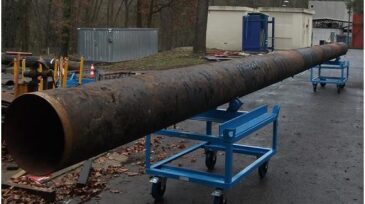
A laboratory research study evaluates several different chemical injection concepts for the removal of elemental mercury from multiphase flow.

Experts and industry leaders gathered in The Woodlands, Texas, recently to sift through the challenges of carbon capture, utilization, and storage. The puzzle is coming together, but some critical pieces are still needed before the results look like the picture on the box.

This article from the SPE Sustainable Development Technical Section (SDTS) explores how the next phase of methane performance will be defined less by pledges and more by measurement, response, and verifiable results.
-
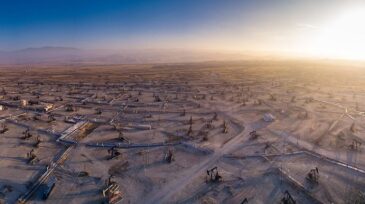
 Methane emissions from California garbage dumps far surpass emissions from oil fields, according to a NASA survey.
 -
New Mexico released data on excess greenhouse emissions from oil and gas operations to keep the public informed of the problem, as the state continues to develop stricter policies to regulate air pollution from the industry and other sources.
-
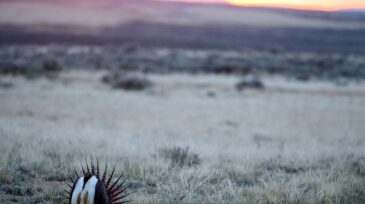
A federal judge on 16 October blocked the Trump administration’s plan to ease protections for an iconic bird that makes its home on millions of acres of oil- and gas-rich sagebrush lands, dealing a blow to government efforts to allow more drilling, mining, and logging in the west.
-
The energy major said it plans to reduce emission intensity by 5–10% for upstream oil production and by 2–5% for upstream gas.
-
Ireland’s decision to end fossil fuel exploration, which was announced by Taoiseach Leo Varadkar at the recent UN climate summit, means the republic is among the first countries in the world to get out of oil and gas production.
-
Large-scale investment in carbon capture and methane-emission reduction tops the agenda of the Oil and Gas Carbon Initiative, an organization led by chief executives of several major oil and gas companies.
-
Fiber optics are considered one of the more promising direct leak-detection technologies. The fiber core normally used for telecommunication can be converted as a sensor using the principle of light backscattering within the fiber.
-
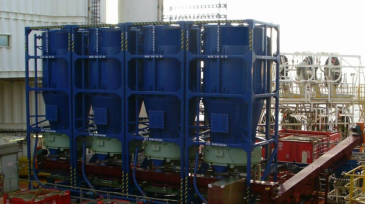
Safe and green innovations for handling hydrocarbon-contaminated cuttings are of great interest for offshore platforms. This paper describes a bulk transfer system that improves the safety of handling cuttings offshore and provides an environmentally acceptable approach to cuttings management.
-
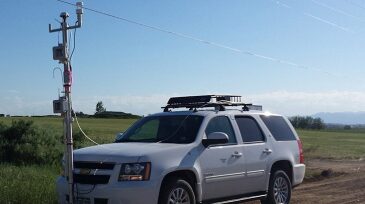
Mobile plume tracking, led by Colorado State University air pollution experts, is a key technology in the city of Broomfield’s ongoing Air Quality Testing Program. And it’s just one aspect of a 3-year, $1.7 million contract awarded by Broomfield last year.
-
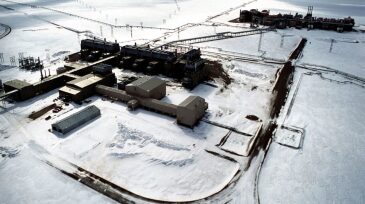
Snow depths on Alaska’s North Slope have thinned this year, the University of Alaska Fairbanks said in a study, creating a possible obstacle for exploration in part of the Arctic National Wildlife Refuge thought to harbor more than 7 billion bbl of oil.