Environment
A laboratory research study evaluates several different chemical injection concepts for the removal of elemental mercury from multiphase flow.

Experts and industry leaders gathered in The Woodlands, Texas, recently to sift through the challenges of carbon capture, utilization, and storage. The puzzle is coming together, but some critical pieces are still needed before the results look like the picture on the box.

This article from the SPE Sustainable Development Technical Section (SDTS) explores how the next phase of methane performance will be defined less by pledges and more by measurement, response, and verifiable results.
-
 Seven members of the International Association of Oil and Gas Producers—Chevron, Eni, Equinor, ExxonMobil, Hess, Shell, and Total—have launched a new joint industry project on Environmental Genomics.
 -
Alberta carbon conversion challenge yields potential GHG reduction of millions of metric tons per year.
-
DuPont Microbial Control research scientist and “microbial detective” Geert van der Kraan shares the clues that microbial life leaves behind to help make the extraction process cleaner in a recent TED Talk.
-
With a $10 million commitment from Shell, Rice University has launched Carbon Hub, a research initiative with the goal of creating a zero-emissions world by using oil and gas to create clean energy.
-
Remote sensing technologies can be applied for a wide range of gas-leak flow rates in three main cases—major leaks in crisis management, medium-size leaks in safety monitoring, and small leaks in environmental monitoring.
-
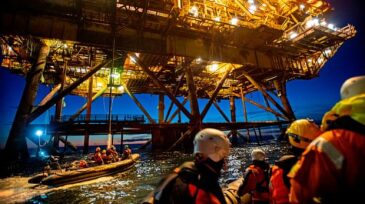
Greenpeace has been banned from carrying out climate protests on North Sea oil rigs after the oil giant Shell won a Scottish court order.
-
Large-scale subsea infrastructure is a feature of the world’s territorial seas, with much of it associated with oil and gas. Research on fish and fisheries interacting with subsea infrastructure, however, has been limited. This paper presents research on fish species associated with pipelines.
-
The US House’s subcommittee on Energy and Water Development and Related Agencies recently heard testimony on the Department of Energy’s role in addressing climate change.
-
New research links a rise in seismic activity in West Texas with increased oil and gas development over the past 20 years and, in particular, the past decade.
-
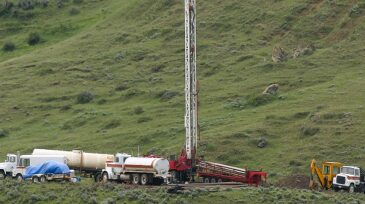
Across the West, thousands of oil and gas wells sit idle on federal lands, and many are orphaned with the companies that drilled them now defunct. These orphaned wells can pose environmental and safety hazards, but, as critics note, the Bureau of Land Management does not have a good way of tracking