Environment

A laboratory research study evaluates several different chemical injection concepts for the removal of elemental mercury from multiphase flow.

Experts and industry leaders gathered in The Woodlands, Texas, recently to sift through the challenges of carbon capture, utilization, and storage. The puzzle is coming together, but some critical pieces are still needed before the results look like the picture on the box.

This article from the SPE Sustainable Development Technical Section (SDTS) explores how the next phase of methane performance will be defined less by pledges and more by measurement, response, and verifiable results.
-
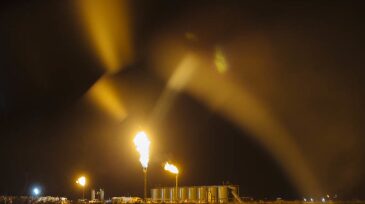
 Texas regulators rejected a rare challenge to gas flaring in the state after an oil company argued that a flaring ban would force it to shut in wells, damaging the reservoir and reducing future oil production.
 -
Researchers mapped 251 faults in the North Texas home of the Barnett Shale, the birthplace of the shale revolution, finding that wastewater injection there “significantly increases the likelihood for faults to slip.”
-
This paper highlights the results of a test campaign for a tool designed to predict the short-term trends of energy-efficiency indices and optimal management of a production plant.
-
More than 60 producers participate in the program designed to reduce wellsite emissions.
-
BHP announced a 5-year, $400-million Climate Investment Program to develop technologies to reduce emissions from its operations as well as those generated from the use of its resources.
-
In June 2016, GHGSat launched the world’s first satellite capable of measuring greenhouse-gas emissions from targeted industrial facilities around the world. This paper describes the system, including sensor and satellite specifications.
-
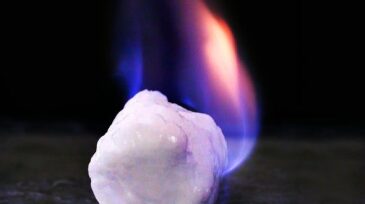
Sending atmospheric carbon dioxide into underground methane hydrates could clean the air and create revenue.
-
The acquisition will add to the group’s offerings aimed at environmental impact assessments and project approvals.
-
Among other things, Bill C-69 has replaced the Canadian Environmental Assessment Act, 2012, with an Impact Assessment Act, replaced the National Energy Board Act with a Canadian Energy Regulator Act, and made changes to the Navigation Protection Act.
-
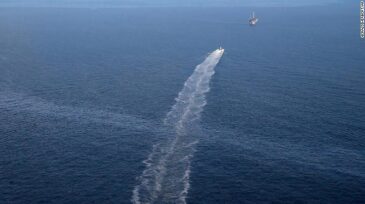
A new federal study estimates that, each day, about 380 to 4,500 gal of oil are flowing at the site where a company's oil platform was damaged after a hurricane. That's about a hundred to a thousand times worse than the company's initial estimate.