Environment

A laboratory research study evaluates several different chemical injection concepts for the removal of elemental mercury from multiphase flow.

Experts and industry leaders gathered in The Woodlands, Texas, recently to sift through the challenges of carbon capture, utilization, and storage. The puzzle is coming together, but some critical pieces are still needed before the results look like the picture on the box.

This article from the SPE Sustainable Development Technical Section (SDTS) explores how the next phase of methane performance will be defined less by pledges and more by measurement, response, and verifiable results.
-
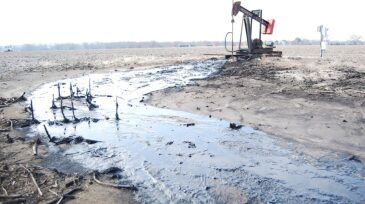
 The number of deserted oil and gas wells in Kansas blossomed during the past 5 years to 22,000. A Kansas Corporation Commission annual report revealed a fund created in 1996 to finance plugging of wells to be inadequate if the objective was to keep pace with demand for plugging.
 -
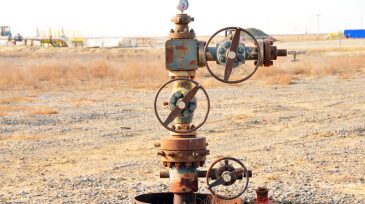
A new regulation includes provisions related to the timely abandonment of "dormant sites," a new site classification that refers to inactive wellsites operated by solvent companies.
-
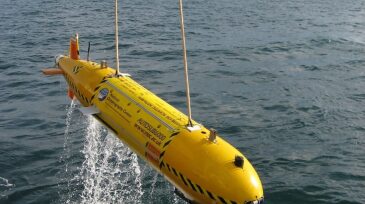
Funded by a €10.6 million grant from the European Union’s Horizon 2020 program, the ambitious project will, for the first time, undertake an oceanwide approach to understanding the factors that control the distribution, stability, and vulnerability of deep-sea ecosystems.
-
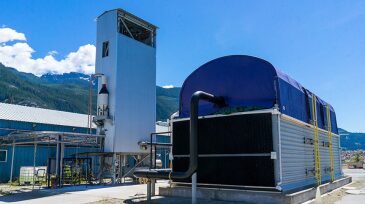
The oil industry is investigating carbon capture and sequestration projects after Congress passed expanded tax credits last year. But questions linger about how much industry investments will actually lower greenhouse gases.
-
Researchers at the University of Massachusetts, Amherst, performed a life-cycle assessment for training several common large AI models. They found that the process can emit more than 626,000 lbm of carbon dioxide equivalent—nearly five times the lifetime emissions of the average American car.
-
Just as Nigeria gets to grips with militants who brought the nation’s oil industry to its knees a few years ago, another group of longstanding foes are slowly making a comeback: thieves.
-
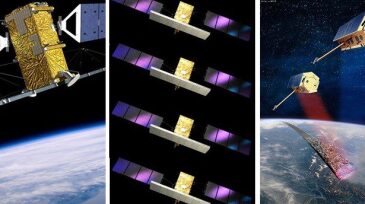
This paper outlines how satellite technology can enhance oil-spill detection and, therefore, consequence management, drawing on a comparative study of options.
-
Natural-gas production in the United States has increased 46% since 2006, but there has been no significant increase of total US methane emissions and only a modest increase from oil and gas activity, according to a new NOAA study.
-
Up to 1,000 gallons of oil per day are being removed from the site of the Taylor Energy spill, says the owner of the company that installed a containment system.
-
The report details information obtained during the EPA’s outreach to stakeholders. The information in the report will help the EPA determine whether any future actions are appropriate to address oil and gas extraction waste water further.