Environment
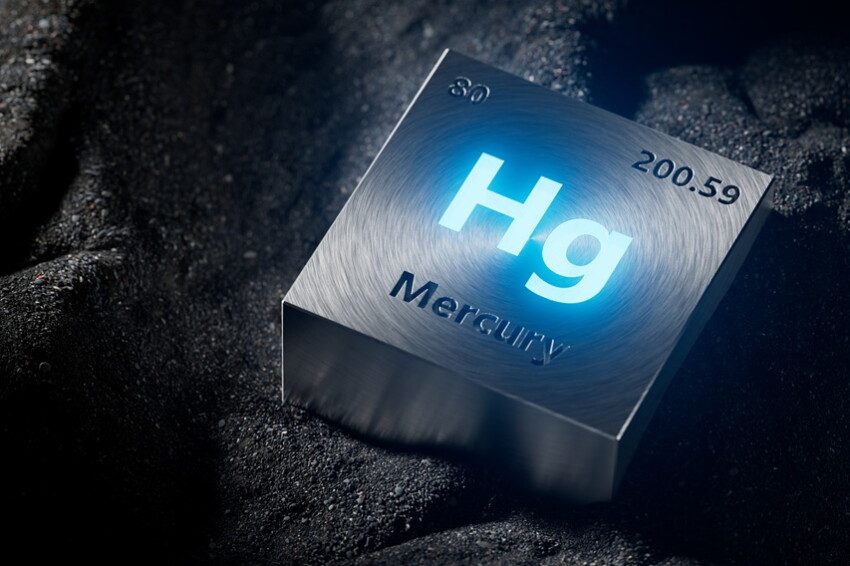
A laboratory research study evaluates several different chemical injection concepts for the removal of elemental mercury from multiphase flow.

Experts and industry leaders gathered in The Woodlands, Texas, recently to sift through the challenges of carbon capture, utilization, and storage. The puzzle is coming together, but some critical pieces are still needed before the results look like the picture on the box.

This article from the SPE Sustainable Development Technical Section (SDTS) explores how the next phase of methane performance will be defined less by pledges and more by measurement, response, and verifiable results.
-
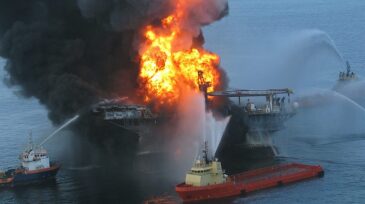
 The Coast Guard has partially assumed federal control of response operations to contain an oil discharge from the site of the collapsed Mississippi Canyon Block 20 offshore platform 11 miles south of the mouth of the Mississippi River.
 -
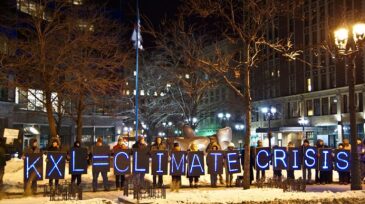
A year and a half after President Donald Trump reversed an Obama administration decision to block TransCanada’s Keystone XL pipeline, a federal district judge in Montana has halted the project again, citing an insufficient review of the project's environmental impact.
-
Scientists have discovered nearly two dozen new types of microbes, many of which use hydrocarbons as energy sources. The scientists suggest that these bacteria could help limit the concentrations of greenhouse gases in the atmosphere and could one day be useful for cleaning oil spills.
-
Royal Dutch Shell is changing its tune on carbon, saying it will tie executive pay to shorter-term reductions in emissions.
-
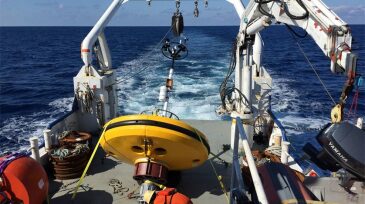
The Gulf Research Program of the National Academies of Sciences, Engineering, and Medicine has announced a new collaboration to support a pilot effort to convert an existing ocean mooring owned by Shell into the first long-term deep ocean observatory in the Gulf of Mexico.
-
A dire government report on the far-reaching impact of climate change could increase pressure on the energy industry to curb greenhouse gas emissions and political leaders to act more decisively to reduce the use of fossil fuels, analysts said.
-
While control of Congress and the gubernatorial races garnered the most attention, the 2018 midterm elections also provided voters in several states the opportunity to craft environmental and energy policy directly through ballot initiatives.
-
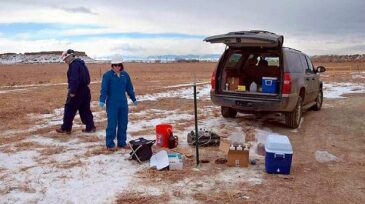
Three scientists say groundwater pollution in Pavillion, Wyoming, is likely caused by gas seeping from inadequately lined gas wells, a porous geology, and the dumping over years of up to 880,000 gallons of chemical effluent into 40 unlined pits.
-
Research suggests that the formation of the deep plume was unrelated to the addition of subsea dispersants.
-
Scientists have found that man-made structures in the North Sea could play a crucial role in holding coral populations together and increasing their resilience.