Environment

With millions of wells having been drilled in the US since the beginning of the oil age, the land is pocked with old, unused wellbores. For most, repurposing is a pipe dream. Plugging is the best option.

This guest editorial examines how the most commonly used and cited methane emissions metric can create a misleading picture of upstream gas-handling performance for both the public and industry professionals.

Spain has granted permits covering a swath of the mountain range to Mantle8 for natural hydrogen and helium exploration a month after France granted the company similar permits.
-
 Researchers at the University of Massachusetts, Amherst, performed a life-cycle assessment for training several common large AI models. They found that the process can emit more than 626,000 lbm of carbon dioxide equivalent—nearly five times the lifetime emissions of the average American car.
 -
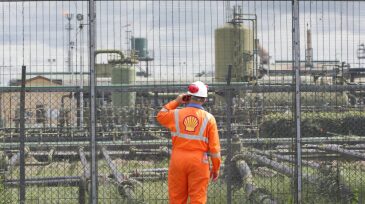
Just as Nigeria gets to grips with militants who brought the nation’s oil industry to its knees a few years ago, another group of longstanding foes are slowly making a comeback: thieves.
-
This paper outlines how satellite technology can enhance oil-spill detection and, therefore, consequence management, drawing on a comparative study of options.
-
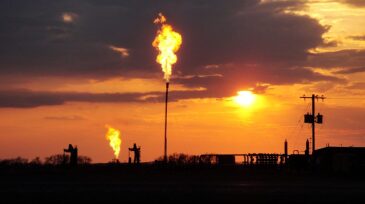
Natural-gas production in the United States has increased 46% since 2006, but there has been no significant increase of total US methane emissions and only a modest increase from oil and gas activity, according to a new NOAA study.
-
Up to 1,000 gallons of oil per day are being removed from the site of the Taylor Energy spill, says the owner of the company that installed a containment system.
-
The report details information obtained during the EPA’s outreach to stakeholders. The information in the report will help the EPA determine whether any future actions are appropriate to address oil and gas extraction waste water further.
-
ExxonMobil has committed $100 million over 10 years to work with the National Renewable Energy Laboratory and the National Energy Technology Laboratory to bring lower-emissions technology to commercial scale.
-
There is more carbon dioxide in the atmosphere than there has been for 800,000 years—since before our species evolved.
-
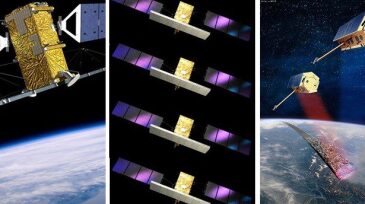
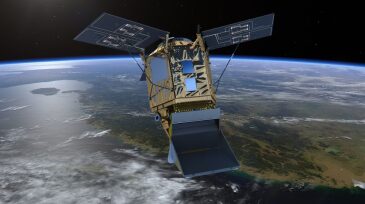
A wave of satellites set to orbit the Earth will be able to pinpoint producers of greenhouse gases, right down to an individual leak at an oil rig.
-
A new integrated modeling tool helps Canada analyze methane emissions to get a better understanding of the economic and environmental implications.