Environment

TotalEnergies signed off for 30% operated stakes in the Lang Lebah and B14 gas fields offshore Sarawak on the sidelines of ADIPEC in Abu Dhabi, while also highlighting methane-reduction partnerships in Angola, India, and Southeast Asia.

DNV notes that energy and industrial process-related carbon emissions will have dropped by 2050 by only 44% from today’s level, not even halfway to the net-zero pledge envisioned by the Paris climate agreement.

The Absheron gas field expansion will supply additional natural gas to Azerbaijan’s domestic market and support its export commitments to Turkey, allowing Baku to stay focused on meeting its gas export obligations to Europe.
-
 The updated joint development agreement allows the companies to carve out new markets while they complete pilot testing at a demonstration plant in the Netherlands.
-
The new rule aims to cut energy waste from venting, flaring, and leaks and is expected to help generate $50 million annually in additional natural gas royalty payments.
-
The money from the Bipartisan Infrastructure Law will go to help Tribes plug orphaned oil and gas wells, combat climate change, and protect natural resources.
-
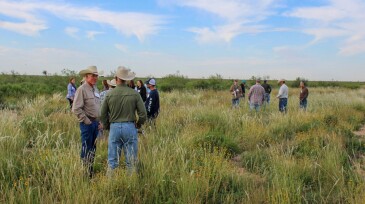
Jesse Wood, Jason Brooks, and Ryan Jonnes are making a positive impact on the Permian Basin ecosystem, enabling ConocoPhillips to successfully balance responsible oil and gas development with land stewardship.
-
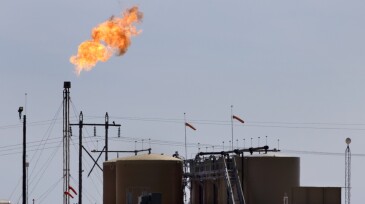
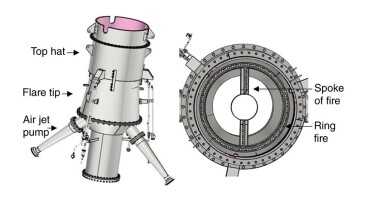
This paper describes development of technology with the capability to combust flare gases with a heating value up to 50% lower than existing flare-tip technology.
-
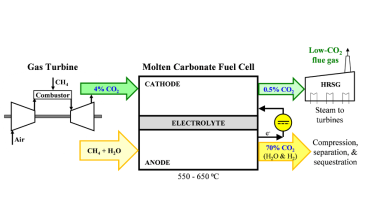
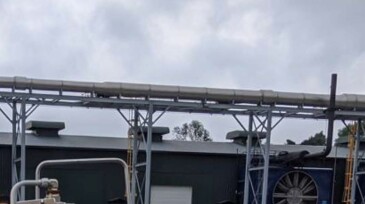
This paper describes a chemical-free process with a small footprint designed to capture exhaust from natural gas drive compressors and supporting gas-fueled production equipment.
-
The partnership seeks to shift the economics of carbon capture across high-emitting industrial sectors.
-
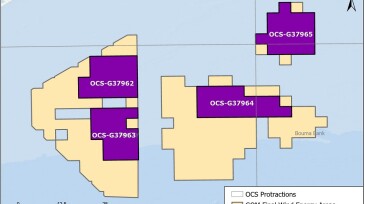
The department says the four areas, totaling 410,000 acres, have the potential to power 1.2 million homes.
-
The availability of robust, measurement-informed emissions information across global supply chains is critical to the success of any target-based methane policy. Yet very few countries can provide robust data on emissions intensity across natural gas value chains.
-
The two companies have formed an S-Hub consortium to evaluate and develop a cross-border carbon capture and storage project for reducing carbon dioxide emissions in Singapore.