Field/project development

Assets consolidated into the Searah JV include Eni-operated deepwater gas-condensate developments in the Kutei Basin, offshore East Kalimantan, Indonesia.

Five agreements target more than 11 Tcf of offshore gas and include flare-reduction technology.
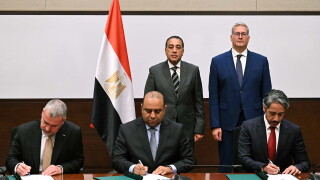
ExxonMobil and QatarEnergy’s MoU with Cairo to monetize Cyprus’ offshore Glaucus and Pegasus natural gas supports Egypt’s strategy to become the Eastern Mediterranean’s leading gas processing and LNG export hub.
-
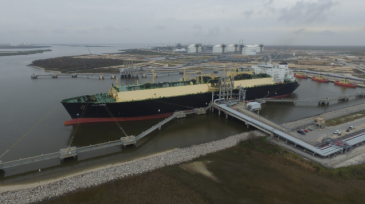
 Sabine Pass Train 6 gets the nod, Bechtel gets the go-ahead for construction. Apache Corp. signed a deal with Cheniere to supply natural gas produced from its Permian Basin Alpine High area to the Corpus Christi LNG facility
 -
The deepwater Gulf of Mexico project is expected to add 50,000 B/D of oil production through the construction of two new subsea production units and production wells.
-
Appomattox begins production below cost and ahead of schedule in another optimistic sign of the offshore sector’s rebound.
-
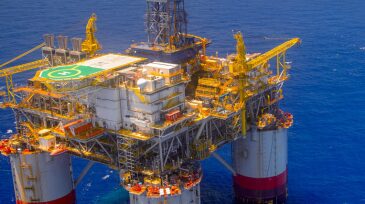
After suffering major setbacks, Chevron’s massive Big Foot project finally achieved first oil last November in the US Gulf of Mexico. With the setbacks in the rear-view mirror, project personnel spoke about the challenges.
-
Construction for the field’s second processing platform begins on the same day the Norwegian authorities approved the plan for development and operation for the biggest field development on the Norwegian continental shelf.
-
Expected to start up in mid-2022, Liza Phase 2 will produce up to 220,000 B/D of oil.
-
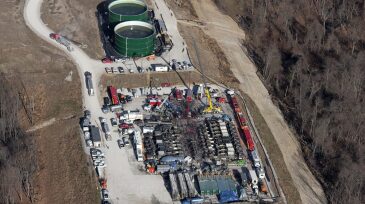
Indigo Natural Resources, Aethon Energy, and Rockcliff Energy are among the most active operators in the revived Haynesville Shale of North Louisiana and East Texas. And most people outside of the region likely have never heard of them.
-
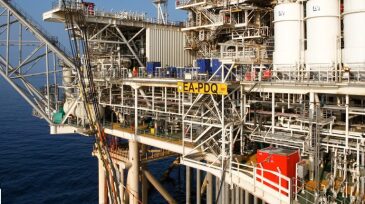
BP and partners have sanctioned the Azeri Central East project, the next stage of development of the giant Azeri-Chirag-Deepwater Gunashli oilfield complex in the Azerbaijan sector of the Caspian Sea.
-
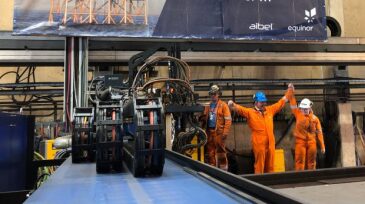
Watch Valhall Flank West topsides move outside at the Kvaerner Verdal yard.
-
The startup of a second FPSO will add 115,000 BOPD to the deepwater project offshore Angola, bringing overall production capacity to 230,000 BOPD.