Health

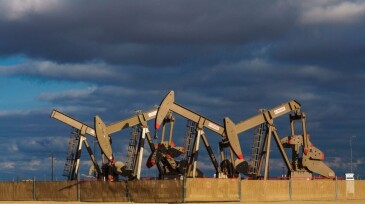
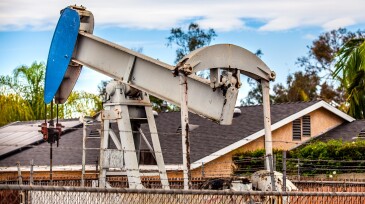
With millions of wells having been drilled in the US since the beginning of the oil age, the land is pocked with old, unused wellbores. For most, repurposing is a pipe dream. Plugging is the best option.

This paper explores how artificial intelligence (AI), cognitive models, and integrated digital tools can transform readiness from periodic drills into a continuous, measurable capability.

This paper presents a competency-centered, data-driven approach implemented to strengthen control-room emergency-response capability through a cloud-hosted, scenario-based virtual plant simulator.
-
 The two organizations recently signed a letter of cooperation. The agreement creates an opportunity to accelerate the practical application of human factors in the energy industry and create a bridge between energy industry professionals and human factors experts.
 -
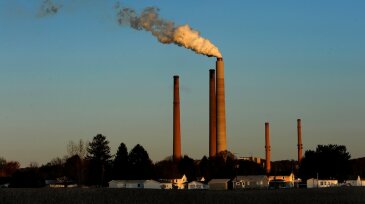
While the concentrations are low, the chemicals are potentially dangerous and some are linked to cancer risk, the researchers found.
-
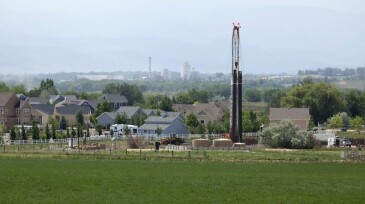
A new analysis shows that more than 17 million people live within a half-mile radius of active oil and gas production facilities.
-
The goal of the guidance—created by IPIECA, the oil and gas association for advancing environmental and social performance, and the International Association of Oil and Gas Producers—is to provide occupational hygienists and health, safety, and environment managers in the energy industries with advice on how workplace lighting can limit circadian disruption and promot…
-
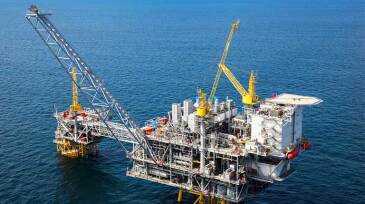
Offshore oil and gas workers who regularly practice mindfulness may experience less fatigue and emotional and psychological strain, according to a study led by researchers at the University of Houston.
-
Researchers also determined the cuts would provide more than $600 billion a year in health benefits in the United States.
-
A new study details how historically redlined neighborhoods across the US that scored lowest in racially discriminatory maps drawn by the government-sponsored Home-Owners Loan Corporation in the 1930s had twice the density of oil and gas wells than comparable neighborhoods that scored highest. The wells likely contribute to disproportionate pollution and related healt…
-
Efforts to mitigate the potentially harmful effects of hydraulic fracturing have traditionally been divided along two fronts—those that primarily focus on protecting the environment and wildlife and those that focus on protecting humans and domestic animals. But it doesn’t have to be that way.
-
A University of Houston research project aims to improve safety, health, and wellbeing of offshore oil and gas workers.
-
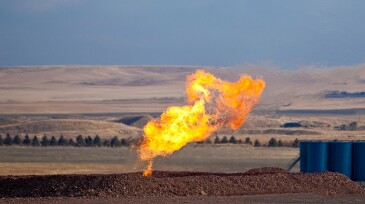
A study in North Dakota found that respiratory illness increased as far as 60 miles away from flaring of natural gas.