HSE & Sustainability

While Uzbekistan has seen a significant drop in flaring, methane leaks from deteriorating infrastructure continue to reveal themselves to satellites in space.
The department announced it plans to combine the Bureau of Offshore Energy Management and the Bureau of Safety and Environmental Enforcement into the Marine Minerals Administration.
While some idle wells may be brought back into production, many will be plugged and abandoned. This paper considers repurposing certain idle oil and gas wells by using their empty steel casing for the disposal of nuclear waste.
-
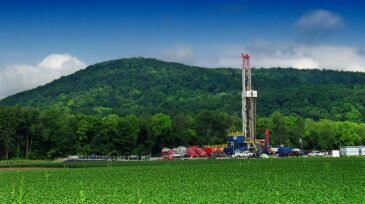
 Despite a natural gas boom and health concerns over drilling from environmentalists, the state Department of Health has received just 160 complaints related to drilling over the last decade.
 -
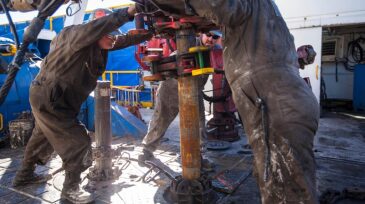
Texas continues to lead the nation in oil and gas production, but communities in the state’s main energy production areas have also seen a rise in deaths on the road accounting for close to half of all traffic fatalities in Texas, according to the state’s transportation department.
-
Italian oil major Eni formally committed not to perform oil and gas exploration and development activities within the boundaries of natural sites included in the UNESCO World Heritage List.
-
Nominations are now open for the 2020 IOGP Outstanding Young Professional Award, sponsored by the International Association of Oil and Gas Producers in association with the biennial SPE International Conference and Exhibition on Health, Safety, Environment, and Sustainability.
-
The objective of this paper is to find a safer and more-efficient method for performing inspections on jack-up legs and inside tanks.
-
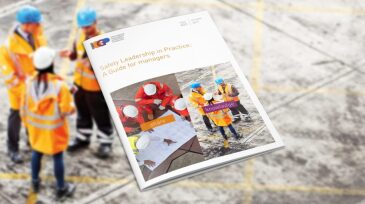
The new report, Safety Leadership in Practice: A Guide for Managers, builds on one released in 2013. Since 2013, the industry has gained a huge amount of experience and insight into how workplace cultures are formed. This document aims to collect and present that insight and experience.
-
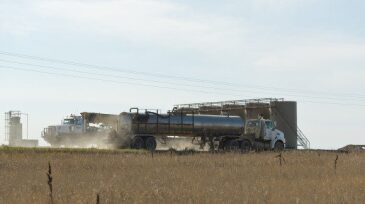
Massive amounts of private equity capital looking for infrastructure investments in the energy sector has helped spur the creation of integrated water businesses aimed at stemming the tide of produced water. This article discusses the evolution of such water businesses.
-
A federal judge on 16 October blocked the Trump administration’s plan to ease protections for an iconic bird that makes its home on millions of acres of oil- and gas-rich sagebrush lands, dealing a blow to government efforts to allow more drilling, mining, and logging in the west.
-
The measure bars any California leasing authority from allowing pipelines or other oil and gas infrastructure to be built on state property. It makes it difficult for drilling to occur because federally protected areas are adjacent to state-owned land.
-
Critics say an ethane expansion not only will prolong hydraulic fracturing but also could also trigger a public health disaster as political polarization over the climate surges under Trump.