HSE & Sustainability

This paper presents a flexible, highly cost- and energy-efficient method of gas separation and CO₂ capture from many different gas mixtures with a large range of CO₂ concentrations.

Emissions management covers a wide array of topics such as carbon capture, use, and storage; emissions monitoring; flare management; methods to improve operational efficiency; carbon accounting; and the effect of emissions management on global and local economics. The papers published in the past year span all these subcategories.

This study explores the carbon-capture and mineralization potential of ultramafic rock powders when exposed to flue gases generated from combustion of crude oil and mesquite-derived charcoal.
-
 SponsoredAdvance your career with the new Pipeline Engineering Program at the Technical University of Leoben, a 5-month course combining on-campus and online learning, integrating industry expertise, engineering practice, and future-ready skills for professionals in oil, gas, and emerging energy systems.
 -
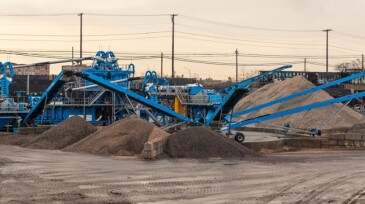
The growing adoption of soil washing is driven by stricter environmental regulations and advancements in technology, which enhance its efficiency and cost-effectiveness.
-
Regulators pull from experiences in the oil and gas industry to define best stewardship practices for the nascent CCS industry.
-
Growing energy transition investment highlights oil and gas technologies as key enablers.
-
This article is the fifth in a Q&A series from the SPE Research and Development Technical Section focusing on emerging energy technologies. In this edition, Shantanu Agarwal, founder and CEO of Mati Carbon, discusses how the company’s approach to carbon removal led to winning the Musk Foundation’s XPRIZE in 2025.
-
EERC CEO Charles Gorecki outlines how applied research in North Dakota is helping improve oil recovery, reduce emissions, and advance carbon storage.
-
2025 has seen an 81% year-on-year rise in the number of small modular reactor designs to have secured at least one source of funding or a funding commitment.
-
The report from the Oil and Gas Climate Initiative presents data showing that its 12 member companies have reduced aggregate upstream methane intensity by 62%, routine flaring by 72%, and carbon intensity by 24% since 2017.
-
A newly formed global coalition, Carbon Measures, aims to develop a ledger-based carbon accounting framework and champion market-based solutions to drive emissions reduction.
-
Absolute greenhouse-gas emissions from Canadian oil sands increased by less than 1% in 2024, even as production grew, according to an analysis by S&P Global Commodity Insights, which cited gains in efficiency for the trend.