HSE & Sustainability

This paper presents a flexible, highly cost- and energy-efficient method of gas separation and CO₂ capture from many different gas mixtures with a large range of CO₂ concentrations.

Emissions management covers a wide array of topics such as carbon capture, use, and storage; emissions monitoring; flare management; methods to improve operational efficiency; carbon accounting; and the effect of emissions management on global and local economics. The papers published in the past year span all these subcategories.

This study explores the carbon-capture and mineralization potential of ultramafic rock powders when exposed to flue gases generated from combustion of crude oil and mesquite-derived charcoal.
-
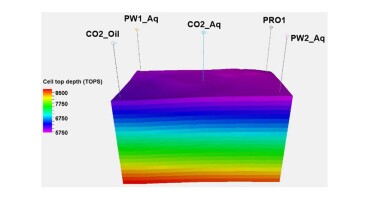
 This paper presents a novel workflow with multiobjective optimization techniques to assess the integration of pressure-management methodologies for permanent geological carbon dioxide storage in saline aquifers.
 -
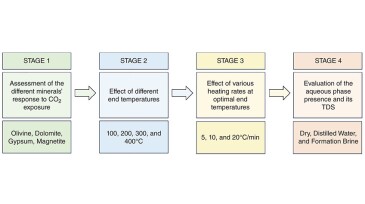
This paper presents a novel methodology for assessing the rapid mineral carbonation of carbon dioxide through geochemical interactions with carbon-, magnesium-, and iron-rich minerals abundant in geological formations.
-
This paper details the formulation and characterization of a novel nanoparticle system composed of polyethyleneimine and dextran sulfate for direct lithium extraction from bulk oilfield brines in North America.
-
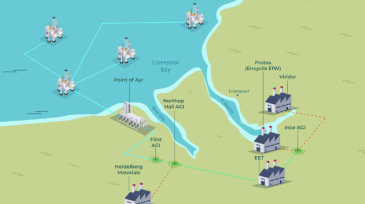
The initial phase of the carbon capture and storage project has a capacity of 1.5 million tonnes per year, with a second phase—due online in 2028—expected to bring the storage capacity to 5 million tonnes per year.
-
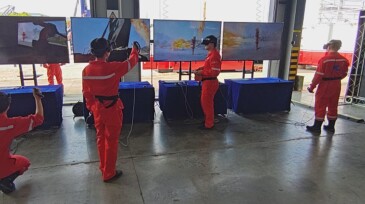
Through realistic simulations, virtual reality allows for an unprecedented level of immersion and interactivity that traditional training methods cannot offer.
-
BlackRock’s Global Infrastructure Partners moves to buy nearly half of the stake in Eni's CCUS subsidiary.
-
Researchers with the National Energy Technology Laboratory showed that naturally occurring signals in underground fluids can serve as effective indicators of flow patterns between existing wellbores. Understanding these patterns can lead to increased efficiency and safety.
-
From 26 to 27 August, industry executives, policymakers, financiers, researchers, and technologists will gather in Malaysia to explore the full potential of CCUS.
-
This paper explores the integration of human factors engineering principles into rig move planning to enhance safety in the oil and gas industry. It discusses the significance of considering human factors such as fatigue, stress, communication, and decision-making in rig move operations.
-
The author writes that Brazil can benefit by mirroring what proved decisive for CCS deployment in the US through a sovereign fiscal regime anchored by monetizing verified storage.