HSE & Sustainability

This paper presents a flexible, highly cost- and energy-efficient method of gas separation and CO₂ capture from many different gas mixtures with a large range of CO₂ concentrations.

Emissions management covers a wide array of topics such as carbon capture, use, and storage; emissions monitoring; flare management; methods to improve operational efficiency; carbon accounting; and the effect of emissions management on global and local economics. The papers published in the past year span all these subcategories.

This study explores the carbon-capture and mineralization potential of ultramafic rock powders when exposed to flue gases generated from combustion of crude oil and mesquite-derived charcoal.
-
 The Society of Petroleum Engineers conducted a survey in May 2023 to determine the status of diversity and inclusion in the energy industry. The survey consisted of seven demographics and 15 multiple-choice and five open-ended questions.
 -
The urgency of methane emissions reduction in the oil and gas sector demands a strategic approach to change management. Success hinges on fostering a shift in industry mindset, where emissions reduction is embedded into operational design and decision-making rather than seen as a regulatory burden.
-
The report presents data from 35 participating member companies.
-
This paper describes the use of coiled tubing in a pilot project for carbon dioxide injection, enabling evaluation of the conversion of an existing oil field for CCS purposes and derisking storage-development uncertainties before having to cease hydrocarbon production.
-
This paper describes the first riserless coiled tubing services operation performed in a live subsea well and the associated improvements in efficiency, cost savings, and safety.
-
This paper describes a case history in the UAE in which the cleanout of scale contaminated with naturally occurring radioactive material was conducted successfully.
-
The early enthusiasm for carbon capture and storage (CCS) is showing signs of strain as the limited capital availability and political support become clearer.
-
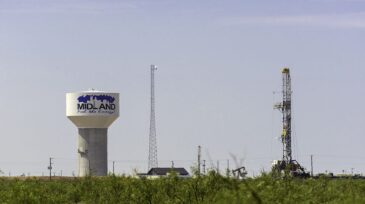
The Texas Railroad Commission has tightened its guidelines on the permitting of disposal wells in the Permian Basin.
-
A revised biological opinion determined that the endangered species could go extinct without new precautionary measures.
-
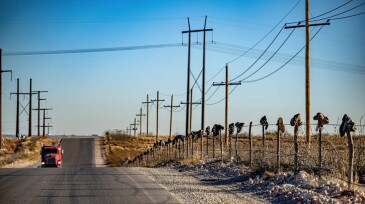
New Mexico is the second-largest oil producer in the US behind Texas. Drawing immense wealth from the Permian Basin, the state relies on a workforce—often Latino men—who are subjected to harrowing conditions that lead to death, injury, disease, and terrible tolls on mental health and family life.